Care Home Floor Sanding in Hampstead NW3 | Commercial Wood Floor Restoration
Managing a residential care facility in this historic part of North London requires a careful balance between preserving the warm, welcoming aesthetic of the property and meeting stringent modern care standards. Over decades of heavy footfall, even the finest quality solid oak, pine floorboards, or traditional parquet will inevitably succumb to wear. High-traffic areas, the movement of mobile medical equipment, and accidental spills can leave timber surfaces scratched, dull, and structurally compromised. For elderly residents, a worn or poorly maintained floor isn’t just an aesthetic issue—it introduces a genuine slip and trip hazard and compromises infection control protocols.
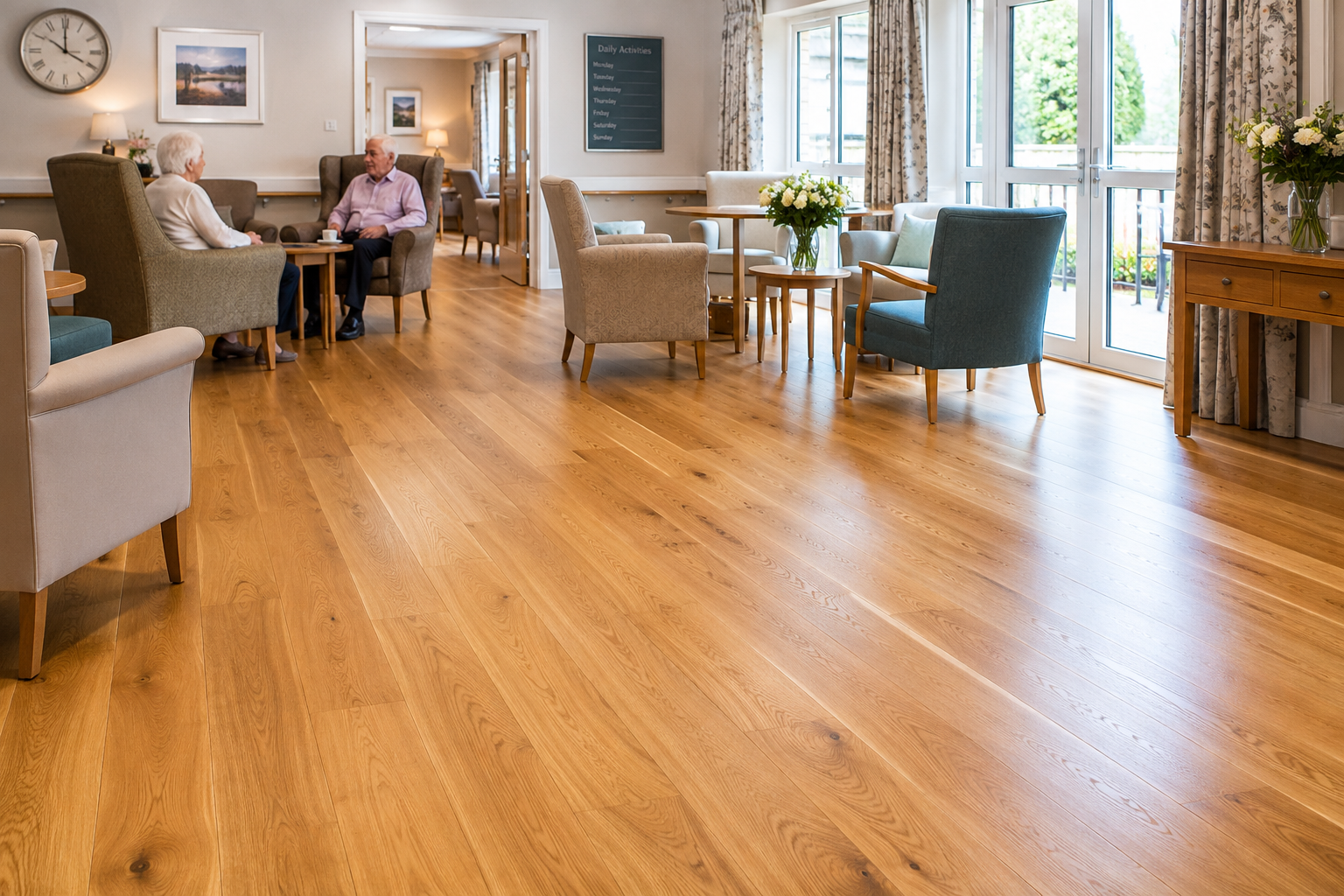
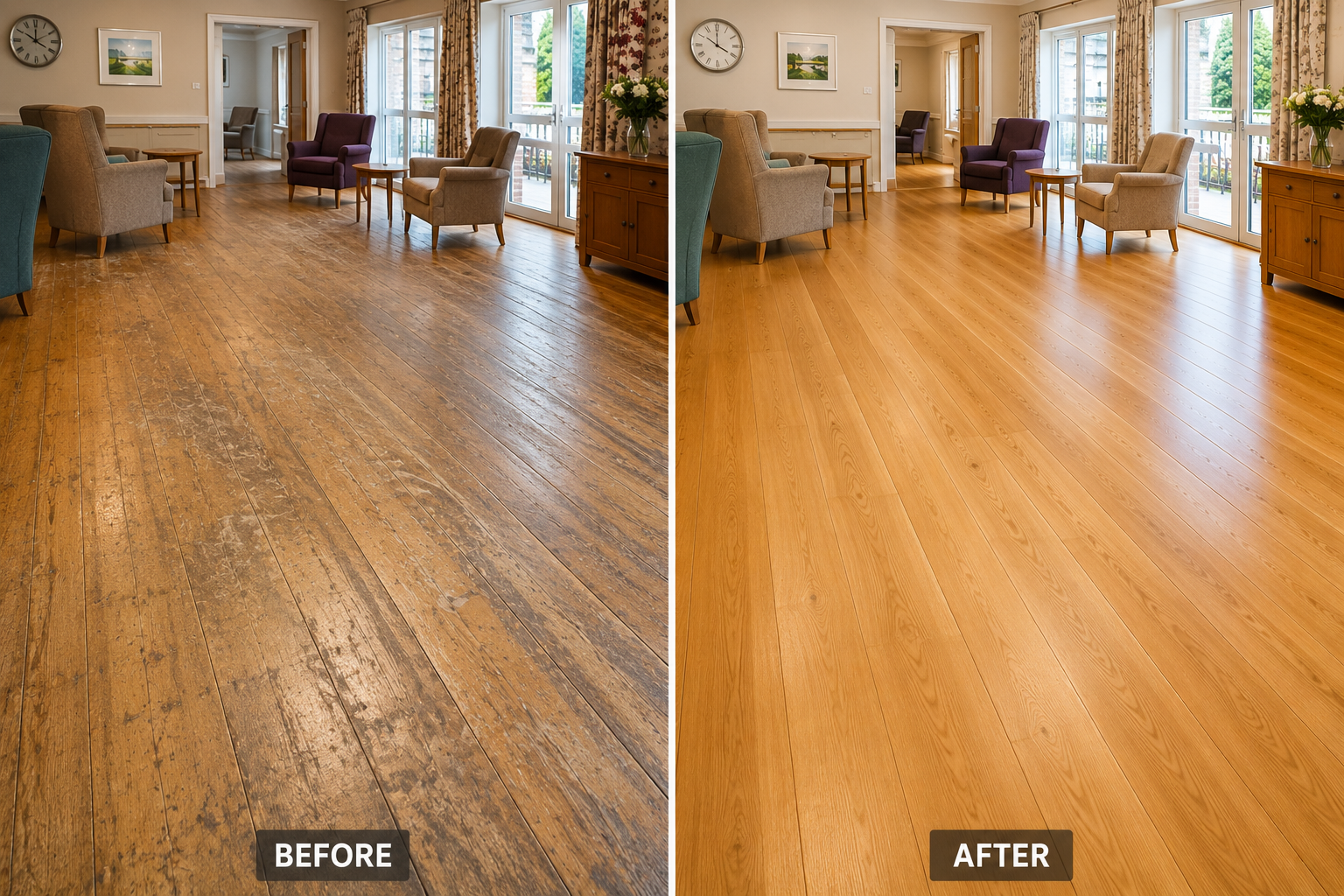
Our specialized service for care home floor sanding in Hampstead NW3 addresses these challenges head-on. We transform tired, potentially hazardous timber floors into flawlessly smooth, exceptionally durable surfaces that support the daily operations of a busy care environment while honoring the building’s heritage character.
Why Professional Restoration Matters for Care Quality
In a residential care setting, floors must perform under demanding conditions 24 hours a day. While standard domestic floor sanding might suffice for a private residence, commercial and care environments demand a completely different level of technical expertise, material specification, and operational planning.
+-------------------------------------------------------------------------------+
|                        KEY GOALS OF CARE HOME RESTORATION                     |
+---------------------------------------------------+---------------------------+
| Enhanced Hygiene & Infection Control              | Eliminates dirt traps     |
| Slip Resistance & Resident Safety                 | Prevents falls and trips  |
| Structural Integrity & Noise Reduction           | Repairs loose timbers     |
| Minimal Operational Disruption                    | Out-of-hours scheduling   |
+---------------------------------------------------+---------------------------+
Choosing an experienced care home floor sanding contractor in Hampstead ensures that your restoration project is handled with deep technical knowledge of commercial-grade finishes and the sensitive nature of the setting.
Hygiene and Infection Control: Old, splintering timber floors with open gaps are a magnet for dust, allergen accumulation, and organic material spills. When these gaps are professionally filled and sealed with a continuous commercial-grade lacquer, the surface becomes completely impervious to fluids and incredibly straightforward for housekeeping teams to sanitize.
Slip Resistance and Resident Safety: Slips, trips, and falls are a primary concern for care home administrators. Our restoration process doesn’t just smooth the timber; it allows for the application of specialist anti-slip finishes that meet British Standards for pendulum test values (PTV), providing vital traction for residents using walking frames, sticks, or wheelchairs.
Structural Soundness and Acoustic Dampening: Loose parquet blocks or shifting floorboards create squeaks and groans that can disrupt the quiet, peaceful environment required in a care facility. Securing these elements significantly reduces ambient noise levels, especially in multi-story buildings common throughout the NW3 postcode.
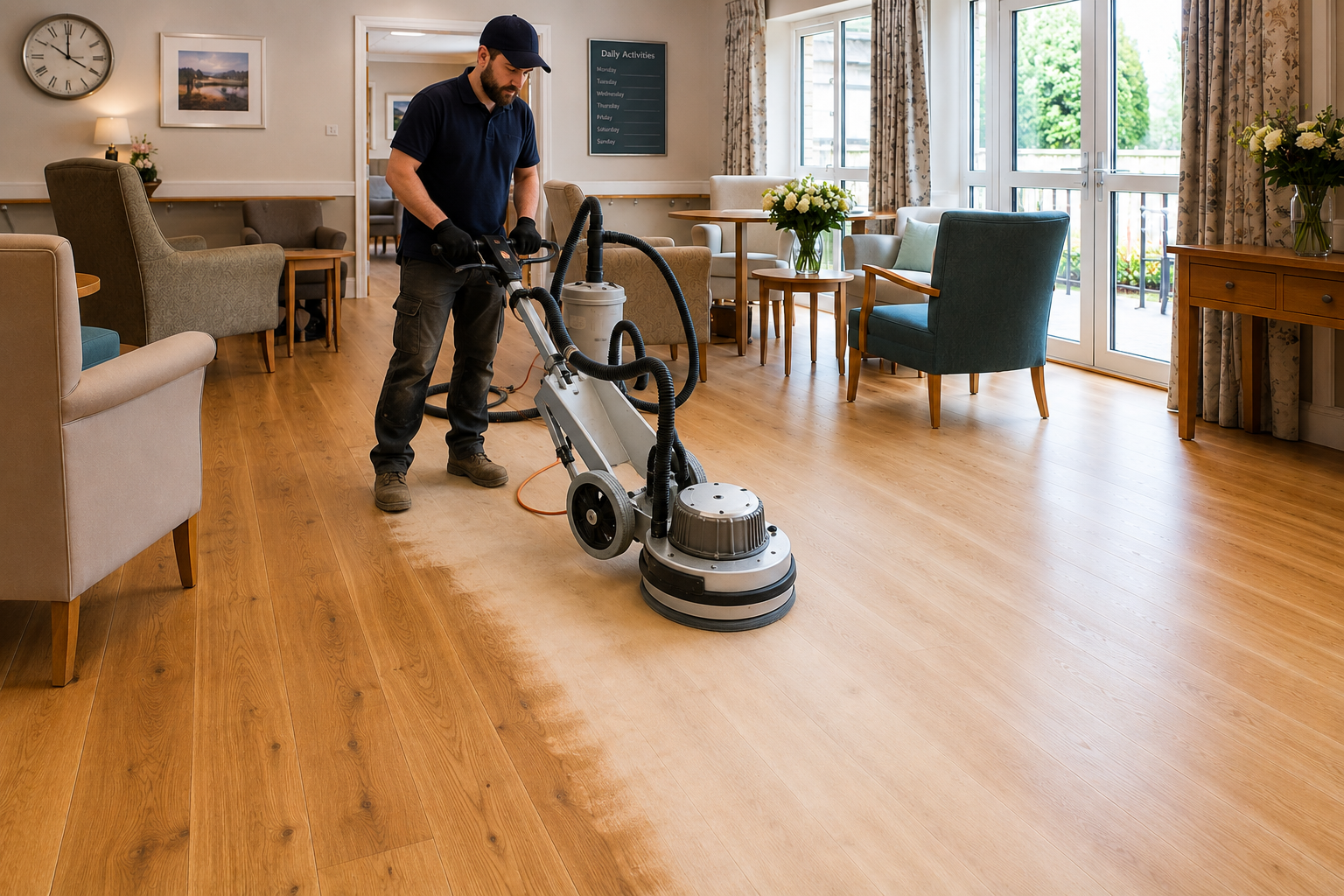
Our Step-by-Step Care Home Floor Restoration Process
With over 25 years of practical industry knowledge, we have refined a systematic approach specifically tailored to minimize disruption to your residents and staff while achieving an incredibly durable result.
1. Initial Assessment, Timber Condition Checks, and Planning
Every project begins with a comprehensive, hands-on site survey. We evaluate the species of the timber, identify subfloor stability issues, check moisture levels, and assess the thickness of the remaining wear layer (particularly vital for engineered floors or historic parquet).
During this phase, we work closely with your management team to design a flexible project schedule. We regularly work around care facility shift patterns, weekends, or bank holidays, executing the restoration in phased sections so that communal lounges, dining rooms, and corridors can remain accessible where possible.
2. Structural Repairs, Board Replacement, and Gap Filling
Before any sanding machinery touches the wood, we address the structural integrity of the floor.
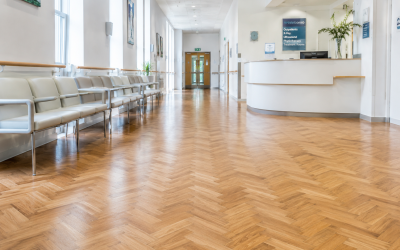
Parquet and Board Repairs: Loose blocks are carefully lifted, cleaned of old bitumen or adhesive, and refixed using high-strength, flexible modern polymers. Damaged or deeply stained boards are replaced with reclaimed timber of a matching age, grain profile, and species to guarantee a visually seamless repair.
Precision Gap Filling: To prevent draft ingress and eliminate dirt traps, we fill the gaps between floorboards. For narrow gaps, we mix fine timber dust harvested from the floor during the initial preparation stages with a high-quality resin binder (such as Bona Mix&Fill). For wider gaps in traditional pine boards, we insert tapered, solid wood slivers glued in place and planed flush.
3. Dust-Controlled Sanding and Surface Preparation
The primary concern for many care home managers regarding floor sanding is the threat of airborne dust settling in clean environments or triggering respiratory issues for sensitive residents.
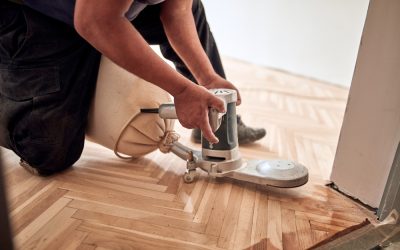
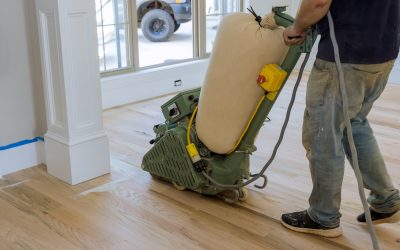
We utilize advanced, German-engineered continuous belt sanders fitted with heavy-duty, multi-stage cyclonic vacuum extraction units. This setup captures up to 99.8% of wood dust at the point of creation, completely eliminating the need to seal off entire wings of the building or worry about post-job deep cleaning of curtains, walls, and light fixtures. The floor is progressively sanded through a series of abrasive grits—from a coarse 36-grit to remove old, yellowed varnishes and deep scratches, up to a fine 120-grit finish that leaves the grain perfectly open and uniform.
4. Specifying Commercial-Grade, Slip-Resistant Finishes
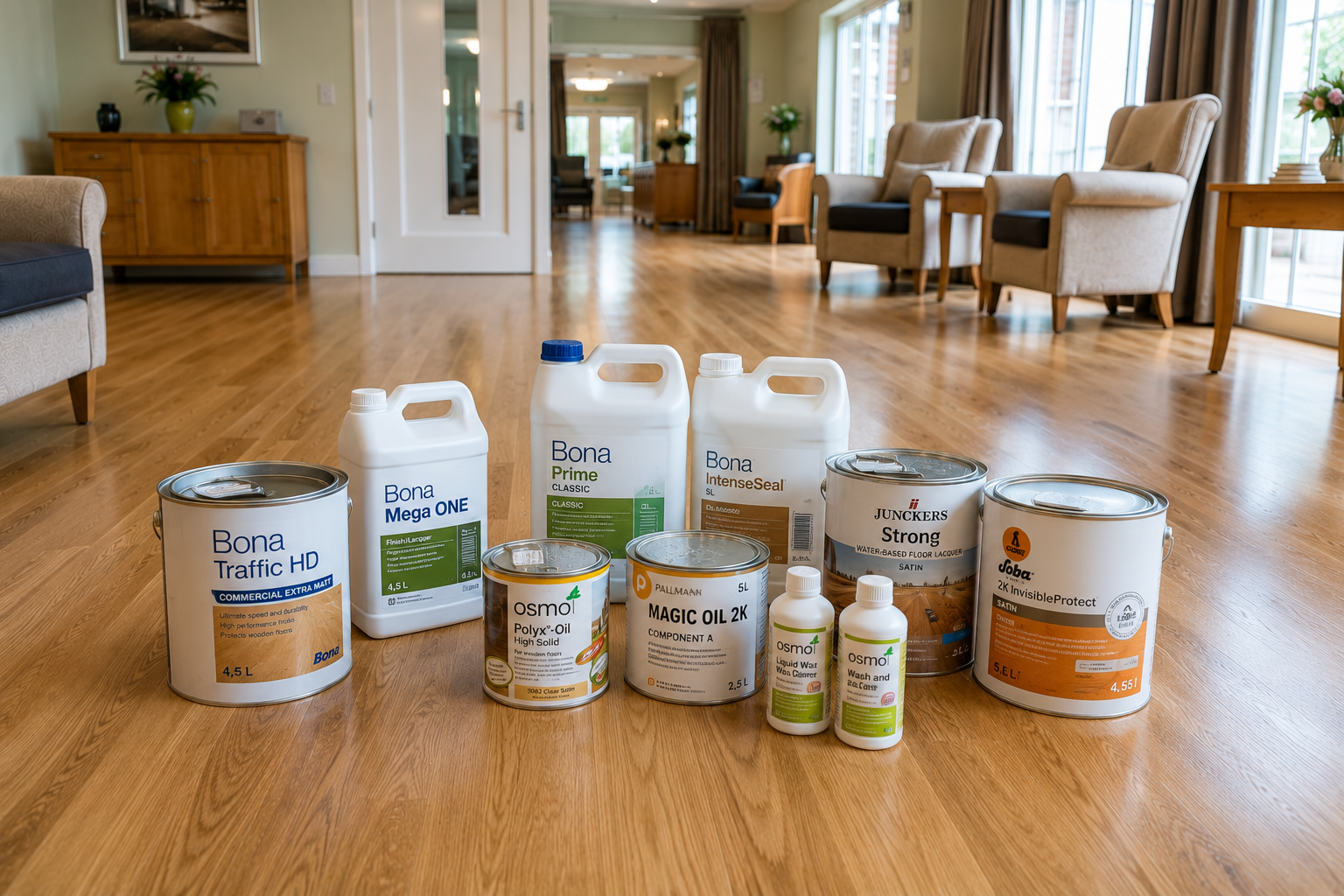
A care home floor cannot rely on standard domestic finishes; it requires maximum chemical and mechanical resistance. We specialize in applying premium, multi-part polyurethane systems (often referred to as 2K lacquers) and heavy-duty oils from world-renowned manufacturers like Osmo and Loba.
+---------------------------------------------------------------------------------------+
|                              FINISH SELECTION GUIDE                                   |
+----------------------+---------------------------------+------------------------------+
| Finish Type          | Best For                        | Primary Benefit              |
+----------------------+---------------------------------+------------------------------+
| 2K Polyurethane      | High-traffic corridors, lounges | Maximum scratch & chemical   |
| (Lacquer)            | and dining areas.               | resistance; water-impervious |
+----------------------+---------------------------------+------------------------------+
| Hardwax Oil          | Heritage rooms, libraries, and  | Natural aesthetic; simple to |
|                      | bedroom spaces.                 | spot-repair high-wear paths  |
+----------------------+---------------------------------+------------------------------+
Our team ensures the application of specialist anti-slip additives (meeting DIN 51130 R9 or R10 ratings) into the final coat. These finishes are fully resistant to harsh commercial cleaning chemicals, alcohol-based hand gels, and bodily fluids, ensuring long-term protection and ease of maintenance.
5. Aftercare and Proactive Maintenance Planning
Even the highest quality finish requires proper care to reach its full lifespan. As part of our comprehensive service, we supply your internal estate and housekeeping teams with a tailored care home floor maintenance in Hampstead manual. This includes training on the correct neutral pH cleaning solutions to use, advice on microfibre mopping techniques, and strategies like high-durability felt pads for furniture legs to prevent scratching.
Experience-Led Trust Signals for Local Decision-Makers
We understand that procuring commercial services for a care home involves navigating strict compliance, health and safety, and financial scrutiny. We aim to make that process as transparent and stress-free as possible.
Verified Expertise: We carry comprehensive public and employers’ liability insurance tailored specifically for commercial, heritage, and healthcare environments. Our technicians are fully trained, context-aware, and respectful of working in active residential care spaces.
Clear, Itemized Quoting: We provide definitive, fixed-price quotes with no hidden costs. Depending on your preference and scheduling needs, we can compile these assessments using accurate site measurements, technical drawings, clear photographic/video evidence, or structured site visits.
Local Operational Knowledge: Having served the North London community for over two decades, we understand the logistical nuances of working in NW3—from managing parking and loading restrictions near Hampstead High Street to complying with strict local conservation area guidelines for listed structures.
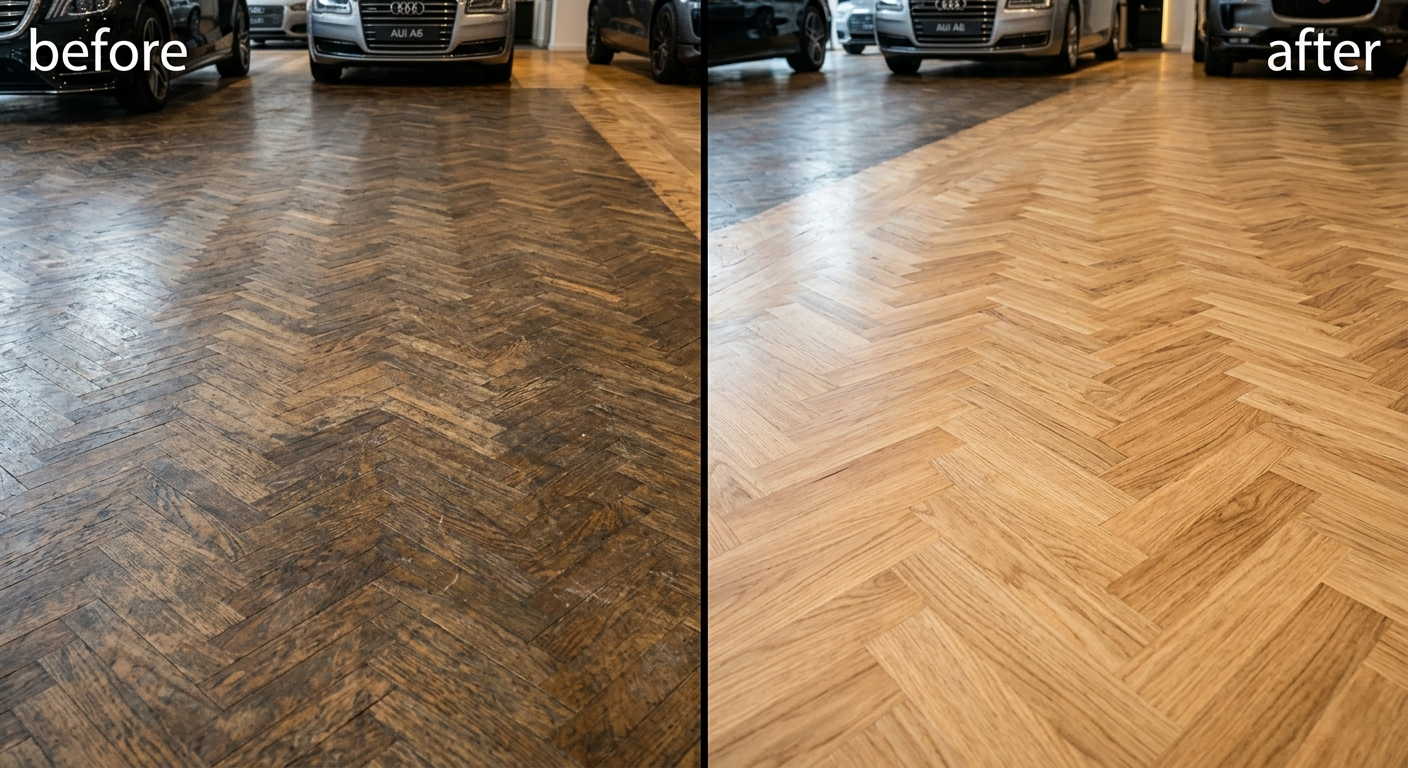
Frequently Asked Questions (FAQs)
How long does the care home floor sanding process typically take?
The duration depends entirely on the size and layout of the areas being restored. However, a standard communal lounge or large dining room usually takes between 2 to 3 days to repair, sand, and fully seal. We always plan the project in phased stages so your facility can keep operating smoothly.
How quickly can residents walk on the floor after the final finish is applied?
When using premium 2K commercial lacquers, the floor is usually ready for light foot traffic about 8 to 12 hours after the final coat dries. Full curing—meaning when heavy furniture or specialized medical equipment can be safely rolled back into place—typically takes 3 to 5 days, though some specialist finishes cure even faster.
Will the wood dust trigger asthma or respiratory issues for our residents?
Not with our system. We use advanced, German-engineered dust-extraction machinery that connects directly to the sanding units. This heavy-duty cyclonic vacuum system captures up to 99.8% of airborne dust at the point of creation, ensuring the air remains safe and clean for sensitive residents and staff.
Can you remove deep stains caused by chemical spills or bodily fluids?
In most cases, yes. Our multi-stage sanding process removes the damaged upper layers of old varnish and stained wood cells. For exceptionally deep, historical stains that have penetrated deep into the grain, we will neatly cut out the ruined timbers and replace them with reclaimed wood of the exact same age and species.
What makes a commercial finish different from a domestic one?
Domestic lacquers are designed for light, family foot traffic. Commercial-grade finishes, such as 2K (two-component) polyurethanes, contain specialized hardening agents. These provide maximum resistance against heavy footfall, wheelchair wheels, rubber scuffs, and harsh medical or chemical cleaning agents.
How do you ensure the newly sanded floor isn’t slippery for elderly residents?
Safety is our top priority. We explicitly specify and apply slip-resistant finishes that meet British Standards for traction. We can mix anti-slip additives directly into the final coats of lacquer or oil to achieve a slip rating (such as R9 or R10) that safely supports walking frames, sticks, and mobile hoists.
Can you work around our care home’s busy schedule, weekends, or bank holidays?
Absolutely. We recognize that care homes operate 24/7 and cannot simply close down. Our commercial teams offer highly flexible scheduling, including out-of-hours, overnight, weekend, or bank holiday working blocks, to ensure minimal disruption to your residents’ daily routines and care plans.
Do you fill the gaps between the floorboards, and will the filler fall out?
Yes, we fill the gaps to eliminate drafts and remove potential dirt and bacteria traps. For standard gaps, we use a professional resin mixed with fine wood dust from your actual floor, ensuring an exact color match. For wider gaps in traditional pine boards, we glue and wedge solid timber slivers flush into place, which will not crack or fall out over time.
How often will a care home wood floor need to be completely resanded?
With a proper commercial finish and a correct daily cleaning routine, a professionally restored care home floor should last anywhere from 7 to 10 years before requiring another full sand. To extend this lifespan even further, we can apply periodic “top-up” maintenance coats of lacquer to the high-wear areas before the protective seal wears through to the bare wood.
How should our housekeeping staff maintain the restored floor?
We provide a comprehensive maintenance manual upon completion. The core rules are to avoid saturated wet mopping, use a neutral pH floor cleaner specifically formulated for timber finishes (never harsh bleaches or abrasive powders), and attach high-durability felt pads to the bases of all mobile furniture, chairs, and tables.

Recent Related Guides from Our Blog
To help you better understand timber care and maintenance across various commercial and public properties, explore some of our recent insights.
- Five Clear Signs Your Parquet Floor Needs Professional Restoration
- Commercial Floor Sanding in Hampstead that Impresses Clients
- Hampstead Wood Floor Sanding: Restore Tired Boards to Like New
What you should do next
If you are managing a residential home, assisted living facility, or sheltered housing scheme in North London, investing in professional care home floor sanding in Hampstead is the most cost-effective way to secure your property’s long-term asset value, elevate its aesthetic appeal, and safeguard your residents.
Get in touch with our specialist commercial team today to arrange an initial assessment. You can speak directly with an expert by calling 0800 335 7565, or email your floor dimensions, photos, or video walk-throughs to our team for a fast, comprehensive initial quote.