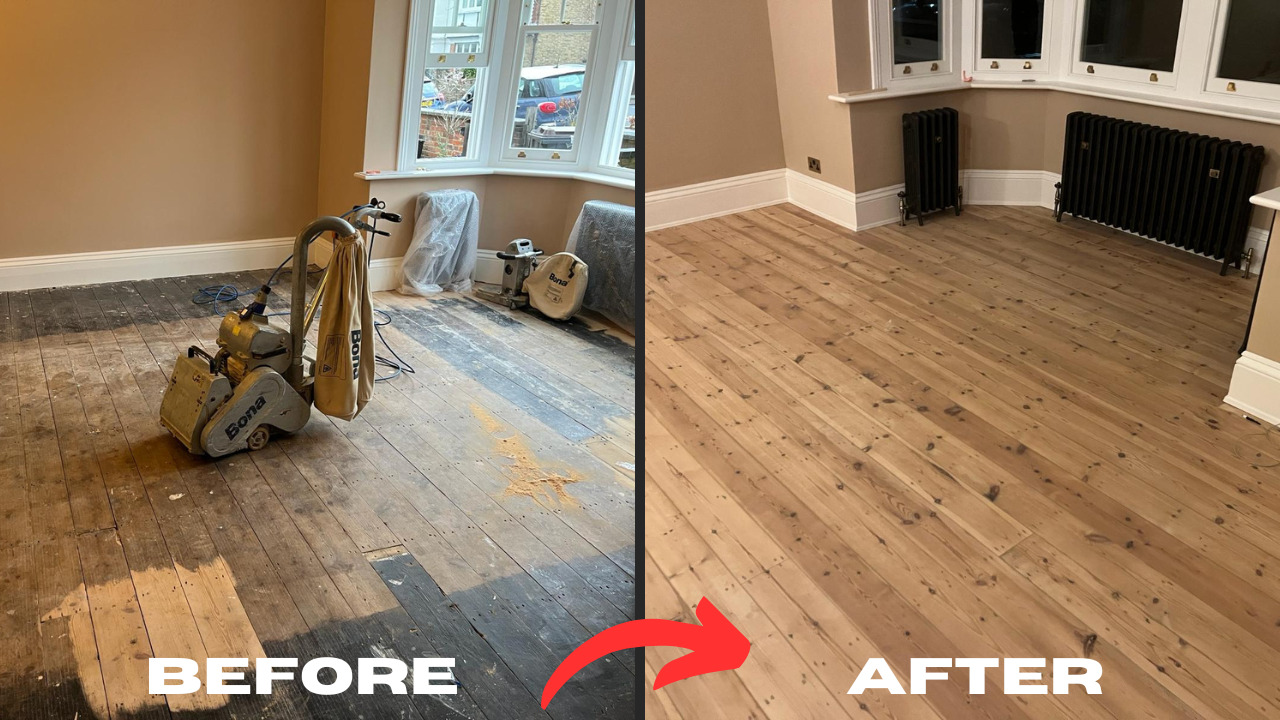
Wood Floor Sanding to Transform Dull Hampstead Boards into Beautiful Floors
If you live in Hampstead, chances are your home has beautiful timber floors hiding in plain sight. Under old carpets, dulled lacquer and years of scratches, there’s solid wood with real character – the kind of floor estate agents rave about and visitors notice the second they walk in.
The problem? Daily life is hard on wood. Dog claws, high heels, central heating, muddy school shoes and the odd DIY mishap can leave even the best boards looking flat, grey and lifeless.
That’s where professional Hampstead wood floor sanding comes in. Done properly, it doesn’t just “tidy up” your floor – it can completely transform tired boards so they look (and feel) almost like new, while preserving the character that makes Hampstead homes special.
In this guide, we’ll walk you through:
- When your floorboards are ready for sanding
- What actually happens during wood floor sanding in Hampstead
- The difference between DIY and professional equipment
- How long it all takes, what affects the cost and how to look after your floors afterwards
- Why choosing a local specialist team makes such a big difference
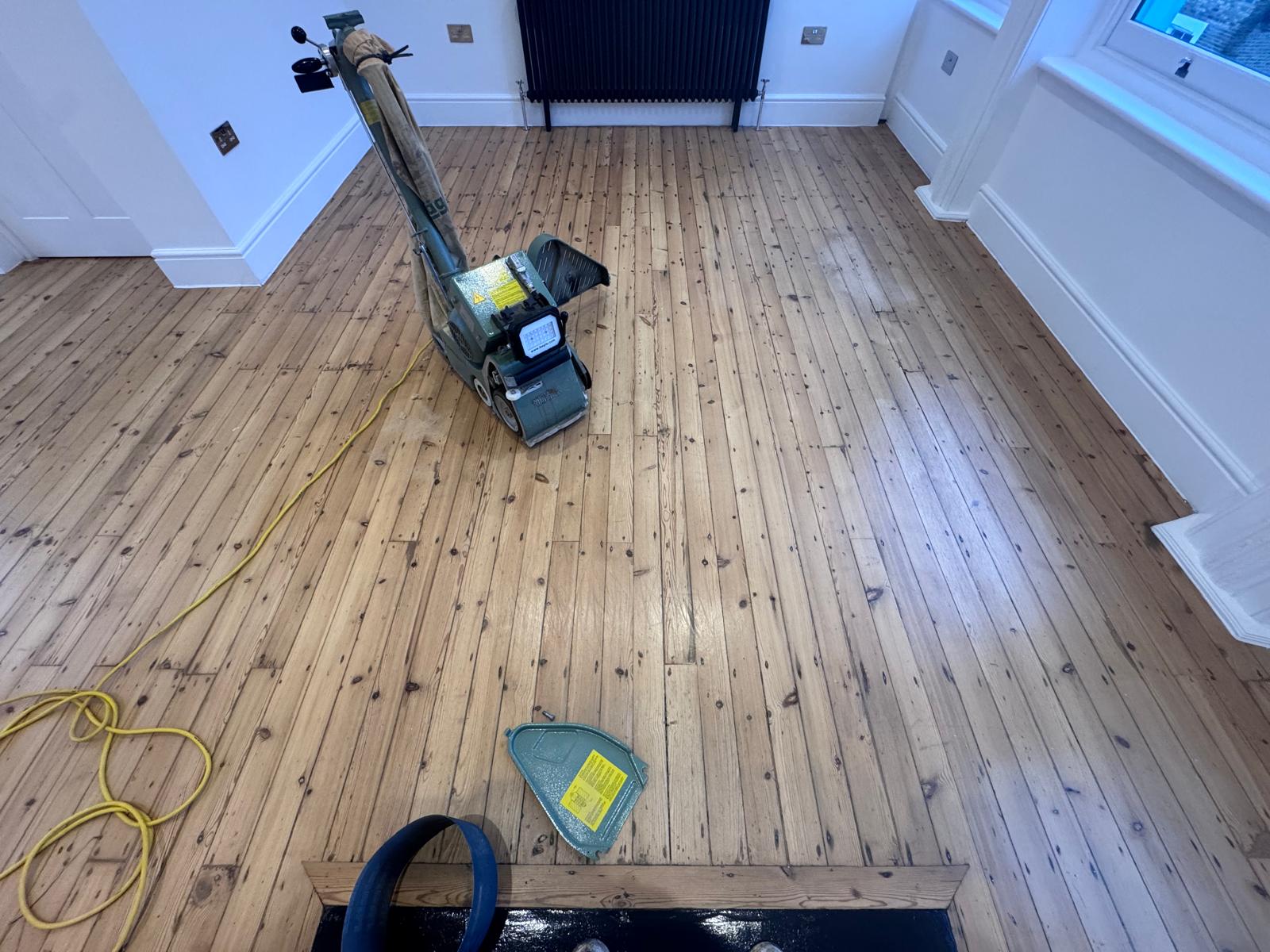
Why Hampstead floors start to look tired
Hampstead homes cover everything from elegant mansion flats to cosy cottages and grand townhouses in London. The one thing they share? Heavy use.
Over time you’ll notice:
- Dull, grey patches where the old finish has worn away
- Black marks around sinks, radiators and doors where moisture has got into bare wood
- Scratches and scuffs from furniture, pets and everyday traffic
- Colour changes where rugs and runners have protected parts of the floor, leaving the rest to fade in the sun
- Gaps and draughts between boards as the timber moves with the seasons
None of this means your floor is “ruined”. In most cases, a skilled wood floor restoration using professional sanding equipment can remove years of wear and give you a fresh, smooth surface ready for a modern, hard-wearing finish.
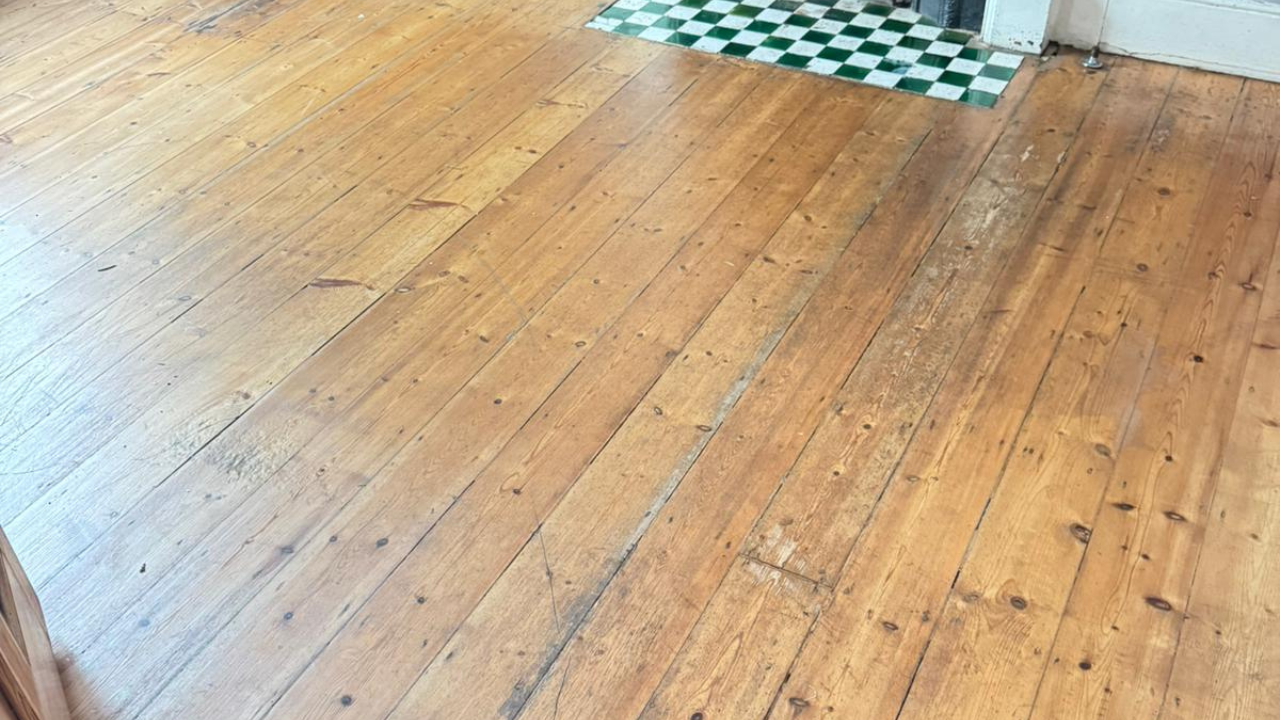
What Hampstead wood floor sanding actually does
Many people think sanding is just “running a machine over the floor”. In reality, a proper wood floor sanding job is a carefully staged process designed to:
- Strip away old finishes and surface damage – lacquer, varnish, paint, stains and light dents.
- Level the floor – removing subtle ridges where boards meet, or where DIY patch repairs have left high/low spots.
- Close gaps and splits – often with gap filling using resin or wooden slivers to reduce draughts and stop crumbs and dust collecting.
- Refine the surface – moving through finer sanding grades until the timber is silky-smooth.
- Prepare the wood for finishing – so modern hardwax oils or lacquers adhere properly and last longer.
The result is not just a “cleaner” floor, but one that looks sharper, feels better underfoot and is easier to keep clean – especially important in busy Hampstead homes with kids, pets and visitors.
Our Hampstead floor sanding process – step by step
Every company works slightly differently, but a well-run Hampstead floor sanding project usually follows a clear sequence. Here’s what you can expect with an experienced local team.
1. Home visit and honest assessment
Before anyone switches on a machine, a specialist should:
- Inspect the whole floor, including loose boards, old repairs and any movement
- Identify the wood type (pine, oak, parquet blocks, engineered boards etc.)
- Check for historic issues like woodworm, old nail holes or previous DIY sanding
- Talk through your goals – natural, light, darker stain, super-matt, satin, etc.
At this stage you’ll usually get a clear recommendation: wood floor sanding and sealing only, or sanding plus repairs, parquet floor restoration, stair work, or even replacement of badly damaged sections.
2. Repairs and preparation
Great results start with preparation. That can include:
- Re-fixing loose or squeaky boards
- Replacing damaged sections with reclaimed or new timber to match
- Punching down protruding nails and fixing sharp edges
- Lifting and refitting thresholds for a clean transition to other floors
Skipping this stage is one of the big reasons DIY jobs look patchy – the sanding machine simply follows whatever unevenness is already there.
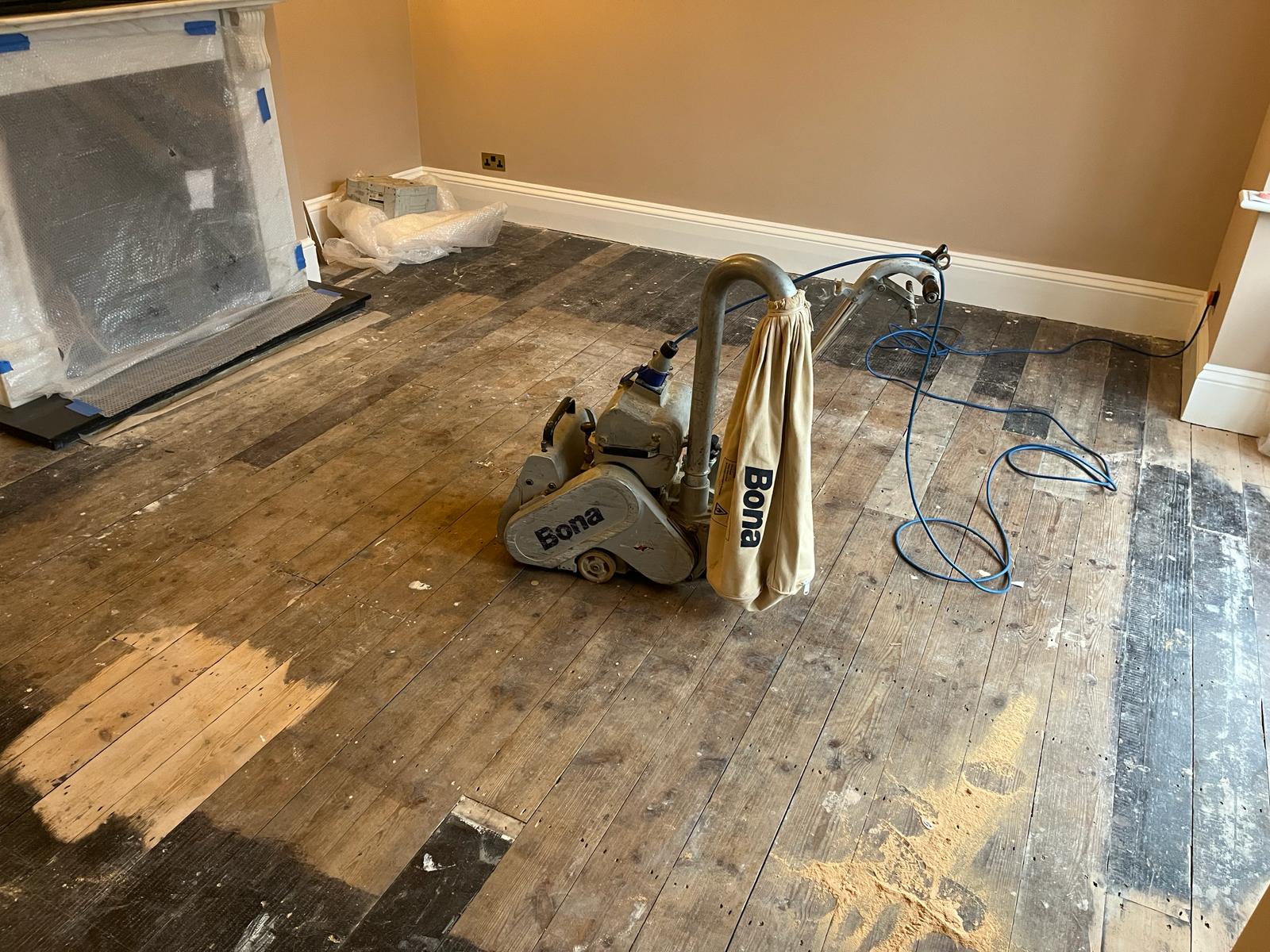
3. Dust-free wood floor sanding
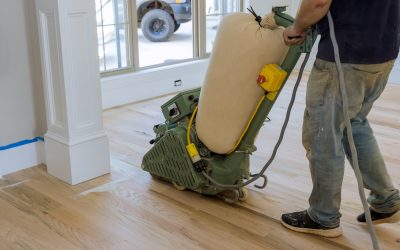
Modern professional machines are powerful but extremely well controlled. With onboard extraction, most reputable firms now offer near dust-free floor sanding, so you’re not left with clouds of fine powder drifting through the house.
Your technician will work through several sanding passes:
- A heavy initial cut to remove old coatings and flatten the surface
- Intermediate cuts to smooth out marks from coarse abrasives
- Edge sanding around skirting boards, fireplaces and corners
- Detail sanding on tricky areas like around radiator pipes
The aim is to finish this stage with a clean, even, beautifully smooth floor across the whole room.
4. Gap filling and fine sanding
In many Hampstead properties – especially older ones – gaps between boards are simply part of the charm. The trick is to reduce draughts and dust traps without making the floor look unnaturally perfect.
Options include:
- Resin gap filling – mixing fine sanding dust with a clear resin and pressing it into hairline gaps
- Wooden slivers – thin strips of timber glued into wider gaps for a long-lasting, stable solution
Once filling has dried, a fine finishing sand levels everything perfectly ready for floor staining and sealing.
5. Colour, finish and protection
This is where your floor really comes alive. Depending on your style and how you use the space, your specialist might recommend:
- Clear lacquer for a clean, low-maintenance look
- Hardwax oil for a more natural, breathable finish
- A light stain to take away orange or yellow tones
- Deeper tints for a richer, more contemporary feel
Each coat is applied and allowed to dry properly before the next one goes down. Done right, a professional wood floor refinishing can protect your boards for years with simple routine care.
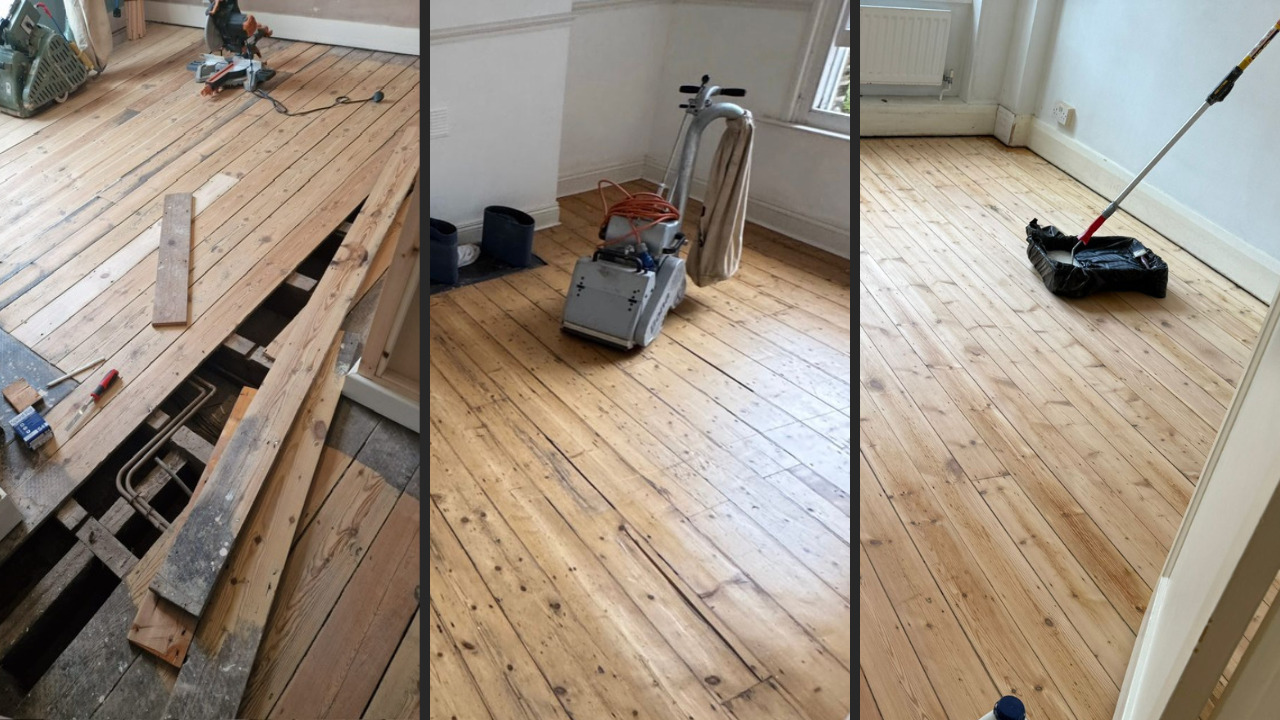
Floors we restore every week in Hampstead
No two homes are the same, but there are a few favourites we see again and again during Hampstead floor sanding projects.
Original Victorian and Edwardian pine boards
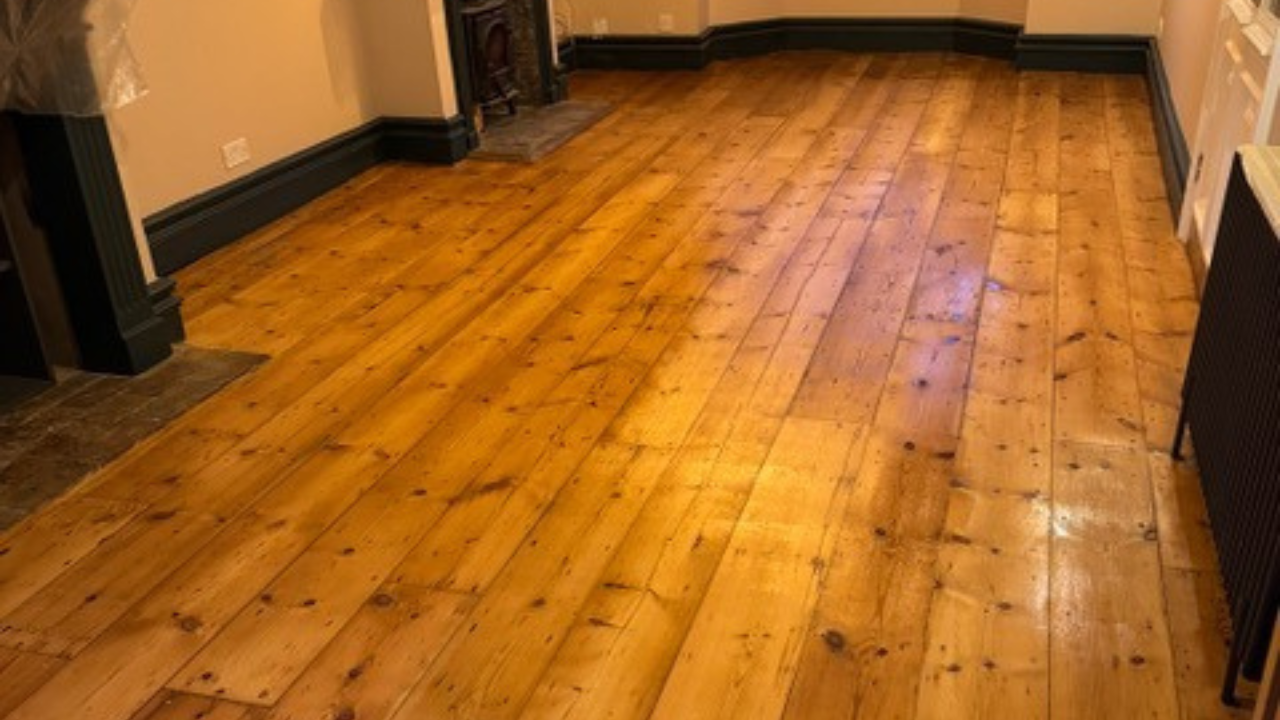
Think long, narrow boards hidden under old carpets – often stained, paint-splattered and full of nail holes. After wood floor sanding and gap filling, these boards can look astonishingly fresh yet still retain their period character.
Oak plank floors
Many Hampstead homes have solid or engineered oak in living rooms, kitchens or open-plan spaces. Professional oak floor sanding can remove wear from high-traffic areas while keeping the warm, natural grain you chose oak for in the first place.
Parquet and herringbone blocks
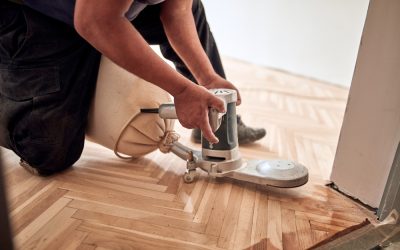
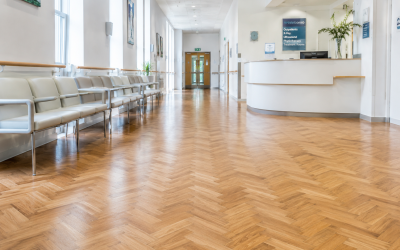
From traditional school-style parquet to elegant herringbone in hallways and lounges, parquet floor sanding and restoration is a specialist job. Block patterns must stay flat and aligned, and edges need careful detail work around fireplaces and thresholds.
Engineered wood floors
Good-quality engineered floors can also be sanded, provided there is enough real wood on the top layer. A professional will check thickness before recommending engineered floor sanding to avoid over-sanding.
DIY vs professional floor sanding in Hampstead
It’s tempting to hire a machine from the local shop and have a go yourself – especially if you’re mid-renovation and keen to keep costs under control. But there are some important differences to bear in mind.
Hire machines vs professional equipment
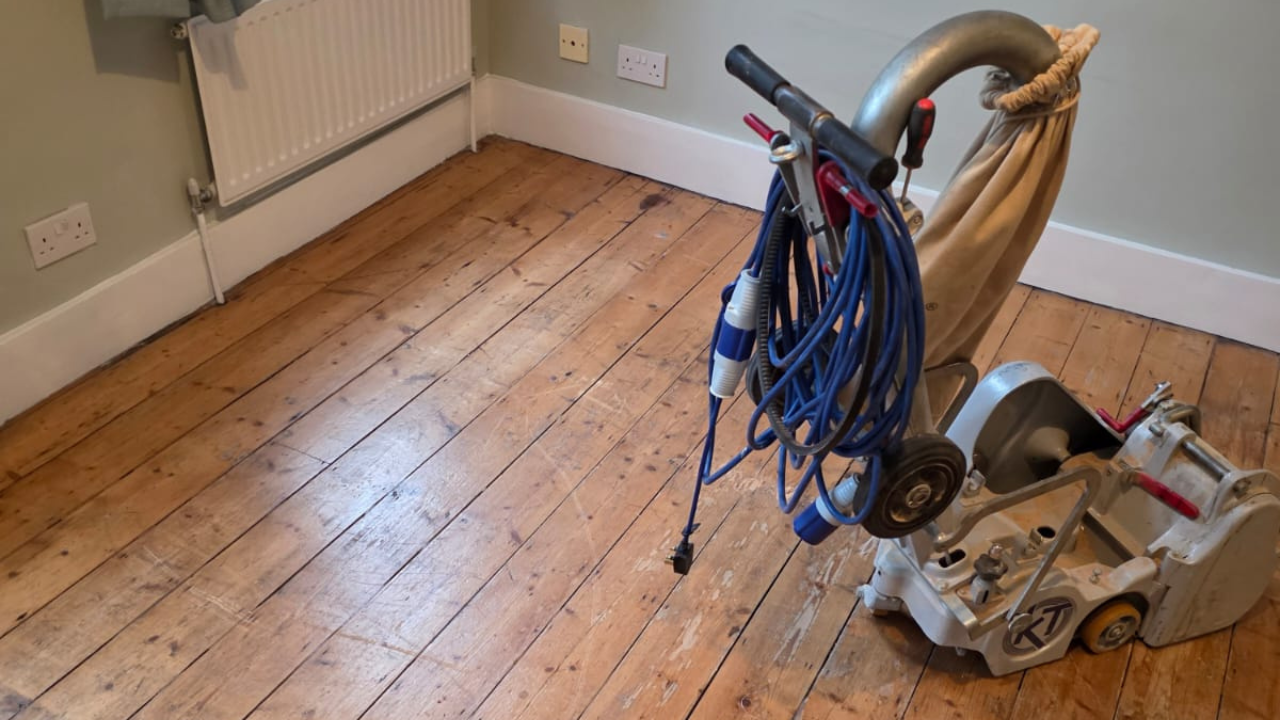
- Hire units are lighter, less powerful and can chatter or gouge the floor if mishandled
- Professional belt and planetary sanders are heavier, more precise and leave a far more even finish
Experience matters
- A trained technician reads the grain, knows how far to sand and when to stop
- They can spot potential problems – like thin engineered boards or historic repairs – before damage is done
Dust and disruption
- DIY jobs often create a huge amount of dust, which then settles on freshly applied finishes
- Professional dust-free floor sanding greatly reduces mess and leaves you with a cleaner result
For a small box room, DIY might be an option. For a whole Hampstead flat, open-plan living area or valuable parquet, professional commercial-grade floor sanding is usually the safer and more economical choice in the long run.
How long does Hampstead wood floor sanding take?
Every project is different, but as a rough guide:
- Small bedroom (10–12m²) – usually completed in a day, including sealing
- Average lounge or dining room – around 1–2 days depending on repairs and number of finish coats
- Whole flat or house – several days, often planned in stages so you can still live in the property
Drying times for finishes are just as important as the sanding itself. A good team will talk you through when you can walk on the floor (often after a few hours in socks) and when furniture and rugs can go back.
Getting your Hampstead home ready for floor sanding
You’ll get the best results – and a quicker turnaround – if you prepare the space before your Hampstead wood floor sanding team arrives. That usually means:
- Clearing furniture from the rooms being worked on
- Lifting old carpets, underlay and gripper rods (if agreed in advance)
- Removing curtains or making sure they’re tied up off the floor
- Taking down fragile items from shelves and mantelpieces
- Ensuring parking and access are available for machinery and materials
Most reputable firms are happy to help with some of this, but anything you can do beforehand saves time on the day and lets them focus on the skilled part of the job.
Looking after your newly sanded floors
Once your boards have been restored, a little care goes a long way to keeping them looking like new. Simple habits make the biggest difference:
- Use good entrance mats – stop grit at the door before it reaches the floor
- Felt pads on furniture – especially dining chairs and bar stools that move frequently
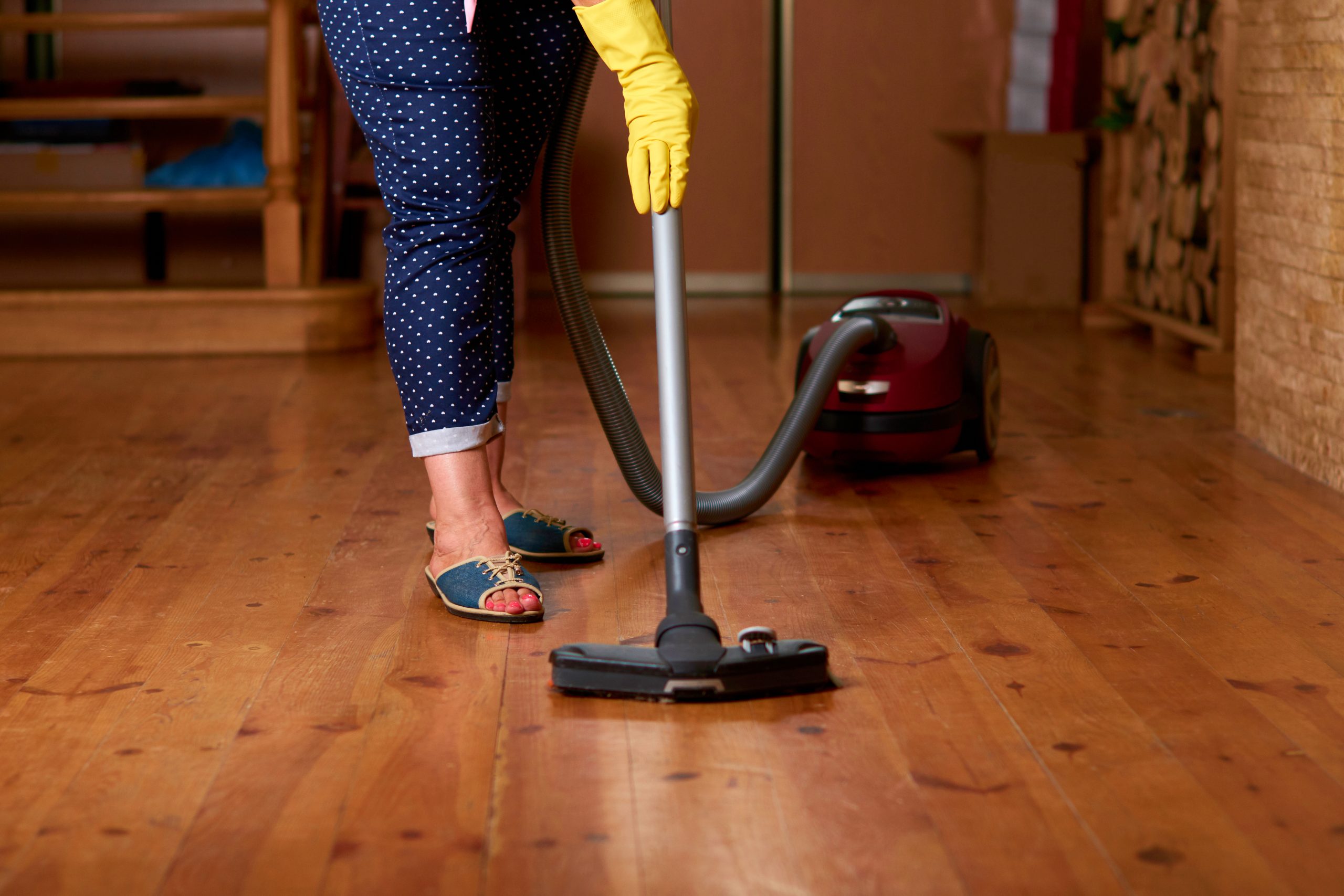
- Regular sweeping or vacuuming – a soft brush head is ideal for picking up dust and crumbs
- Damp, not wet, cleaning – a well-wrung mop and a wood-safe cleaner are all you need
- Deal with spills quickly – wipe up water, wine or pet accidents promptly so they don’t creep into joints
With normal use, a quality wood floor refinishing job should last many years before it needs a light re-coat or another full sand.
Frequently asked questions about Hampstead wood floor sanding
Will sanding remove all the scratches and stains?
Deep sanding removes most surface scratches and marks, including those caused by furniture, pets and high heels. Dark black water stains and very deep gouges may not disappear completely, but a skilled wood floor restoration will hugely reduce their appearance and blend them into the overall character of the floor. Where damage is too severe, individual boards or blocks can often be replaced.
Is floor sanding really dust-free?
No system is 100% dust-free, but professional dust-controlled floor sanding keeps airborne dust to a minimum. Modern machines collect the vast majority of dust into sealed bags, and careful preparation (taping doorways, protecting built-in furniture) keeps the rest under control. Most Hampstead clients are pleasantly surprised by how clean their homes are at the end.
Can you sand floors in flats without upsetting the neighbours?
Yes – with planning. Good companies schedule noisy stages considerately and use well-maintained machines to reduce vibration and sound. They also work to building rules on hours. If you live in a mansion block or converted house, your Hampstead floor sanding specialist can advise on the best way to minimise disruption.
How much does Hampstead wood floor sanding cost?
Costs depend on room size, the condition of the timber, how many repairs are needed and the type of finish you choose. A simple, open room with minimal damage will be cheaper than a heavily damaged parquet floor with lots of edge detail. What you should expect is clear, written pricing before work starts – no surprises – and a result that adds real value to your home.
Why choose a local Hampstead floor sanding specialist?
Working day in, day out on homes in NW3 means a local team understands:
- The styles and ages of property in the area
- The types of boards and parquet commonly used
- How to protect original features like skirting, fireplaces and thresholds
- The practicalities of parking, access and working hours in Hampstead’s streets
Just as importantly, they rely on their reputation. Word of mouth, online reviews and repeat work from neighbours all matter – so workmanship, communication and aftercare are taken seriously on every single job.
When you choose a specialist for wood floor sanding in Hampstead, you’re not just buying a service; you’re investing in a long-term relationship with people who know your area and care about the result.
Ready to restore your Hampstead floors?
If your boards are looking tired, scratched or simply past their best, now is the perfect time to bring them back to life.
- Reveal the natural beauty of your timber
- Make rooms feel brighter, bigger and more welcoming
- Cut down on dust, draughts and tricky-to-clean corners
- Protect your floors for years with modern, durable finishes
To chat through your options or arrange a free assessment, contact Hampstead Floor Sanding today.
📞 Call now on 0800 335 7565 for friendly advice and a no-obligation quote.
Or visit the website to learn more about Hampstead wood floor sanding, restoration and refinishing services and see real before-and-after examples from homes just like yours.
Your tired boards are closer to “like new” than you think – they just need the right hands, the right machines and the right know-how.