How Often Should School Floors Be Sanded? | Complete Sanding Guide
School timber floors are among the hardest-working surfaces in any building. From daily assemblies and PE lessons to performances, parents’ evenings and community events, they endure constant wear throughout the academic year. Schools across Hampstead, including those near Hampstead Heath, Flask Walk, Frognal and the surrounding NW3 area, often occupy buildings where original hardwood flooring remains an important architectural feature. Regular school floor sanding and maintenance helps preserve these valuable floors while ensuring they remain safe, attractive and cost-effective to maintain.
Whether you manage a primary school, academy, independent school, church hall or educational trust, understanding when a timber floor requires professional attention can prevent expensive repairs later. A planned programme of school wood floor maintenance extends the life of hardwood flooring, improves safety and keeps facilities looking professional for pupils, staff and visitors alike.
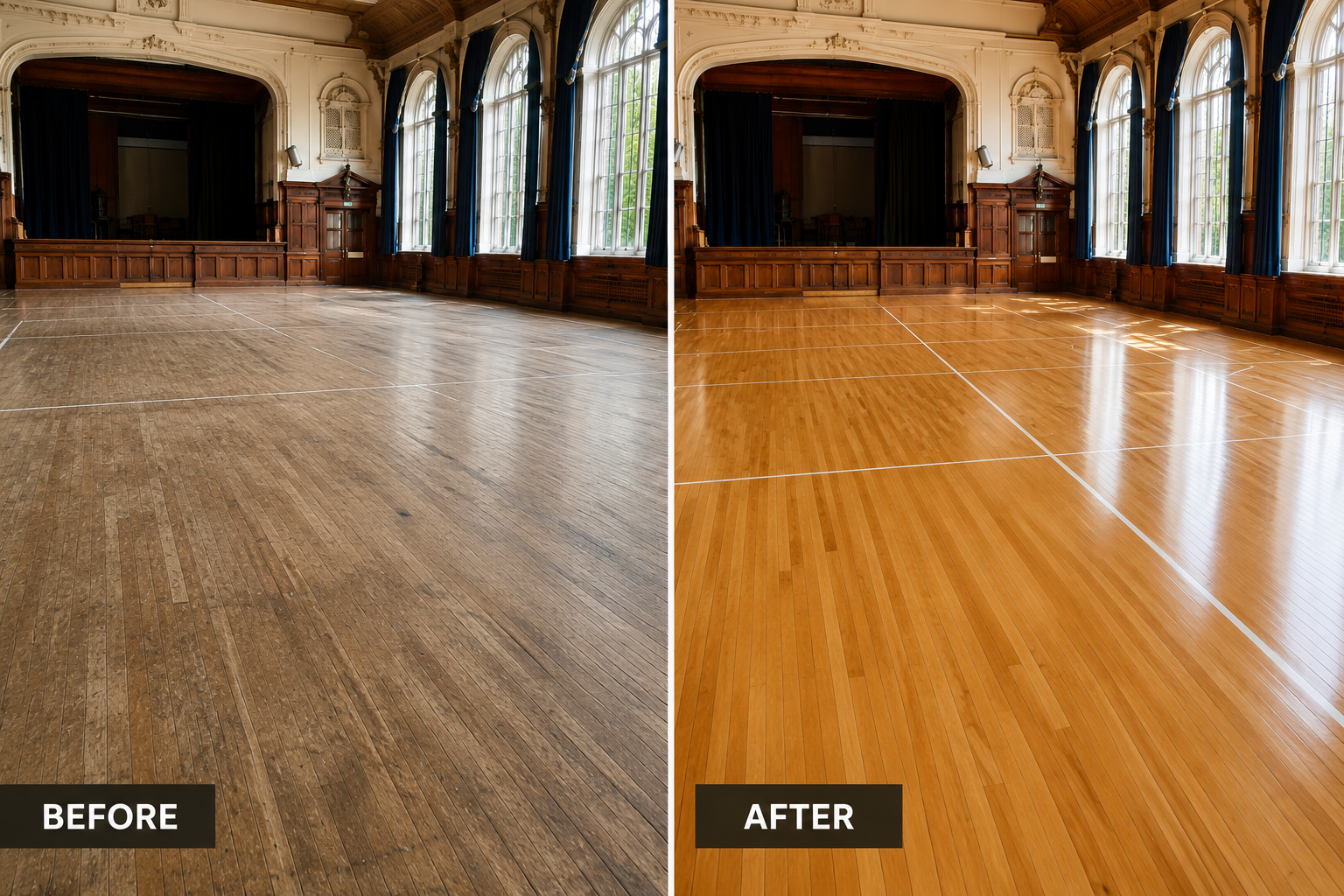
How Often Should School Floors Be Professionally Sanded?
There isn’t a single timetable that suits every educational building because every floor experiences different levels of use. However, after restoring commercial timber floors for more than 25 years, we generally recommend the following:
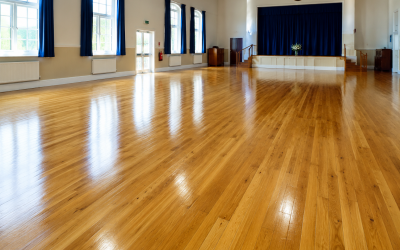
- Assembly halls: every 8–12 years depending on usage.
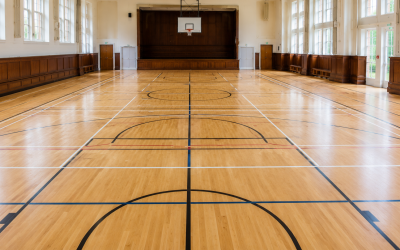
- Sports halls: approximately every 6–10 years.
- Dance studios: every 5–8 years.
- Classrooms with timber flooring: every 10–15 years.
- Church school halls and community spaces: based upon wear, usually every 8–12 years.
These are general guidelines. Some schools benefit from periodic screen-and-recoat maintenance, allowing a new protective finish to be applied before complete sanding becomes necessary. This considerably extends the lifespan of the timber floor.
Signs Your School Floor Needs Sanding
Rather than relying solely on age, it’s better to monitor the condition of the floor. Professional restoration may be required if you notice:
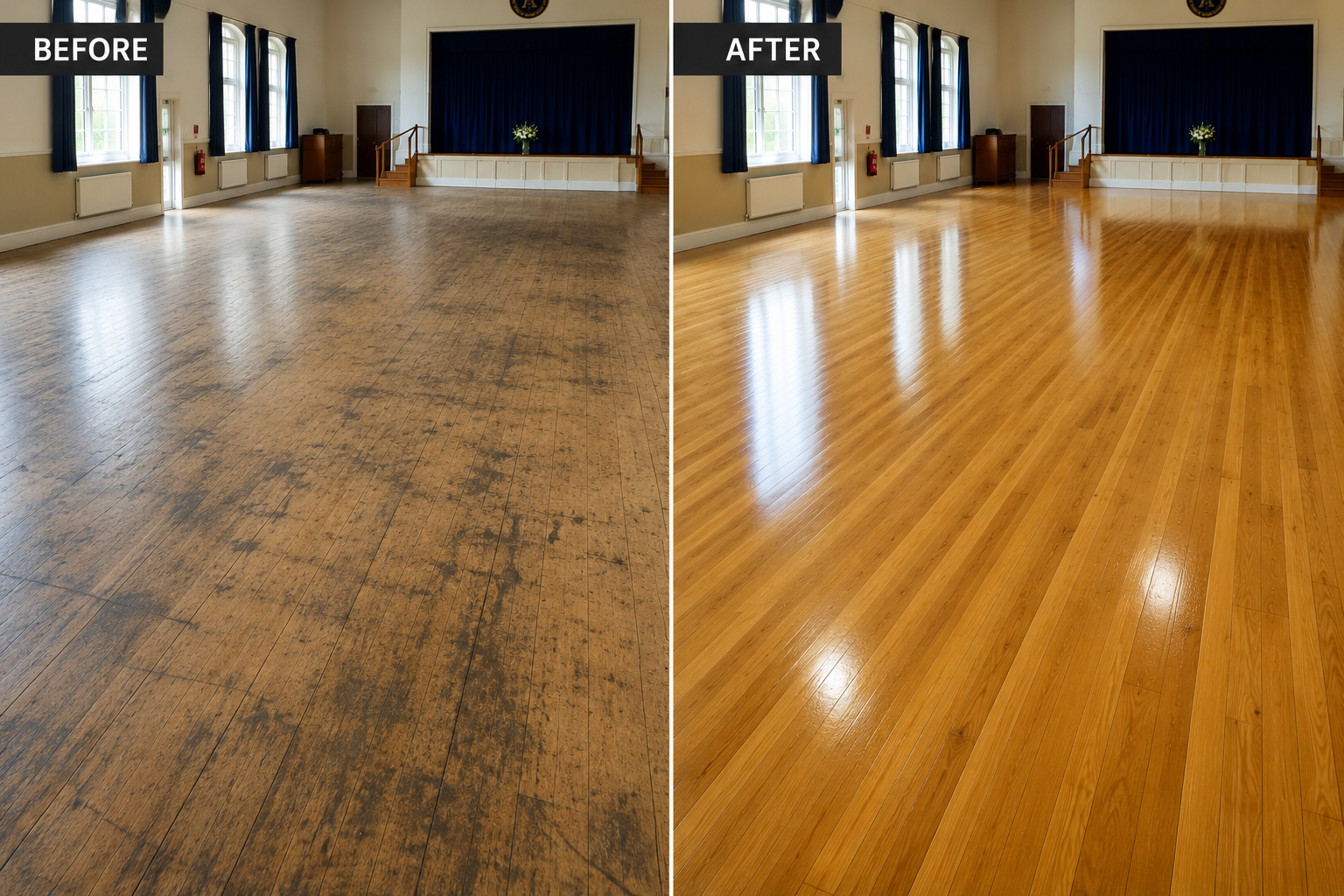
- Heavy scratches and scuff marks.
- Worn lacquer exposing bare timber.
- Black stains caused by moisture.
- Splintering boards.
- Loose parquet blocks.
- Uneven walking surfaces.
- Visible gaps between boards.
- Dull appearance despite cleaning.
- Reduced slip resistance.
Addressing these issues early is almost always more economical than waiting until sections require replacement.
Why Preventative Maintenance Saves Schools Money
Timber flooring represents a significant long-term investment. Complete replacement is expensive and disruptive, particularly in older Hampstead schools where original hardwood flooring contributes to the building’s character.
A planned programme of inspections and maintenance allows minor defects to be corrected before they develop into structural problems. Routine cleaning, periodic recoating and timely repairs can add many years to the service life of a wooden floor while keeping maintenance budgets under control.
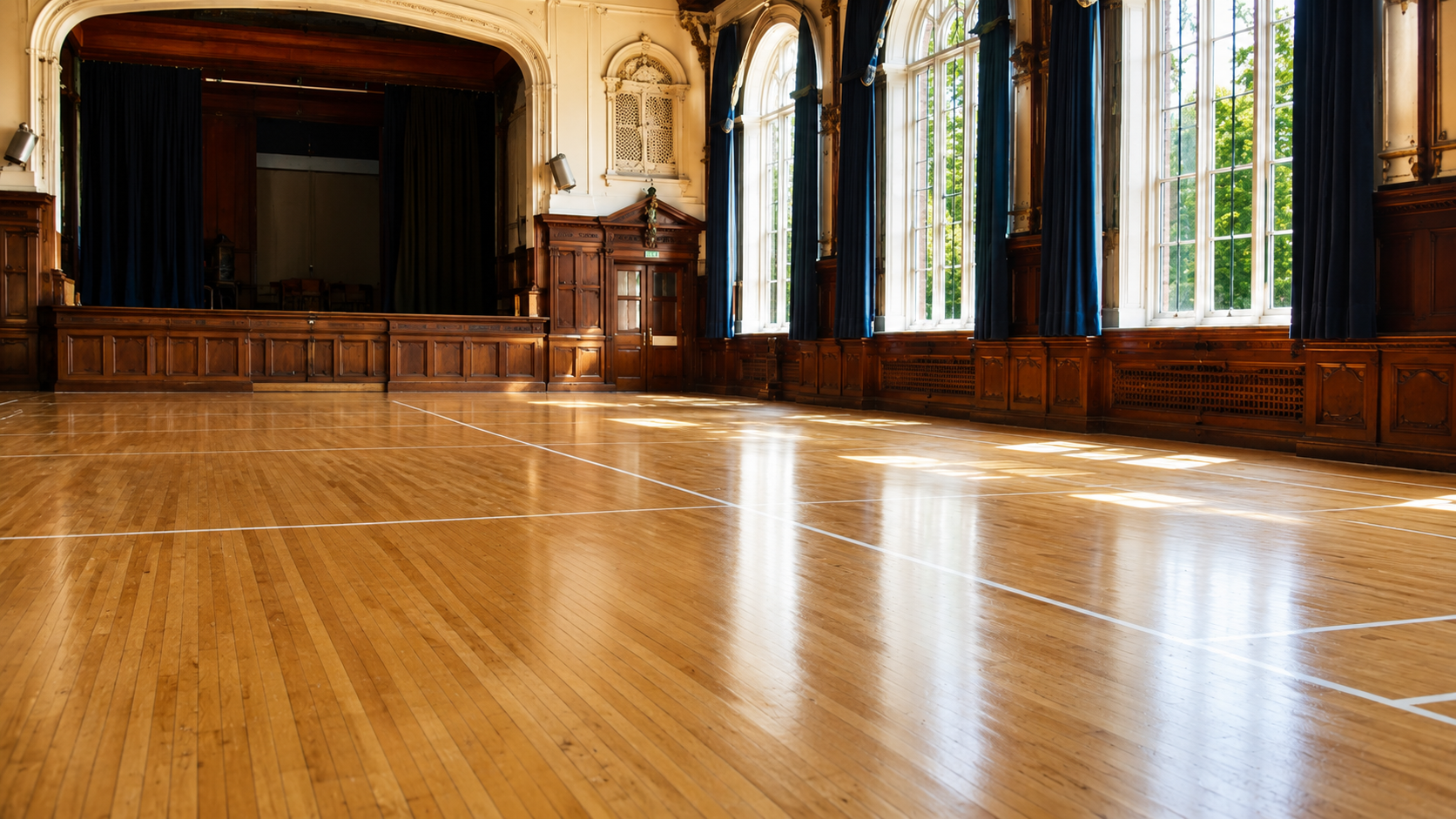
Our School Floor Restoration Process
1. Initial Assessment and Planning
Every project begins with a detailed inspection. We assess:
- Timber species.
- Moisture levels.
- Previous finishes.
- Amount of remaining wear layer.
- Structural movement.
- Existing repairs.
- Usage patterns.
- Health and safety considerations.
We also discuss the school’s timetable, examinations, holiday periods and community bookings to minimise disruption.
2. Repairs, Board Replacement and Gap Filling
Successful floor restoration starts with proper repairs rather than sanding alone.
Depending upon the condition of the floor we may carry out:
- Replacement of damaged hardwood boards.
- Loose parquet block repairs.
- Subfloor stabilisation.
- Securing squeaking floorboards.
- Professional resin gap filling.
- Sliver repairs for wider gaps.
- Threshold repairs.
- Minor edging repairs.
Completing repairs before sanding creates a more stable and attractive finished floor.
3. Sanding and Surface Preparation
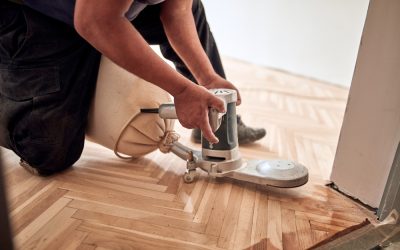
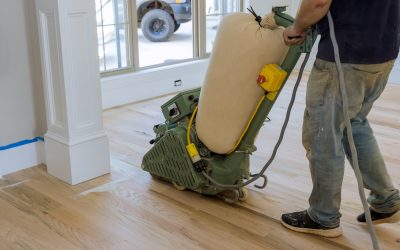
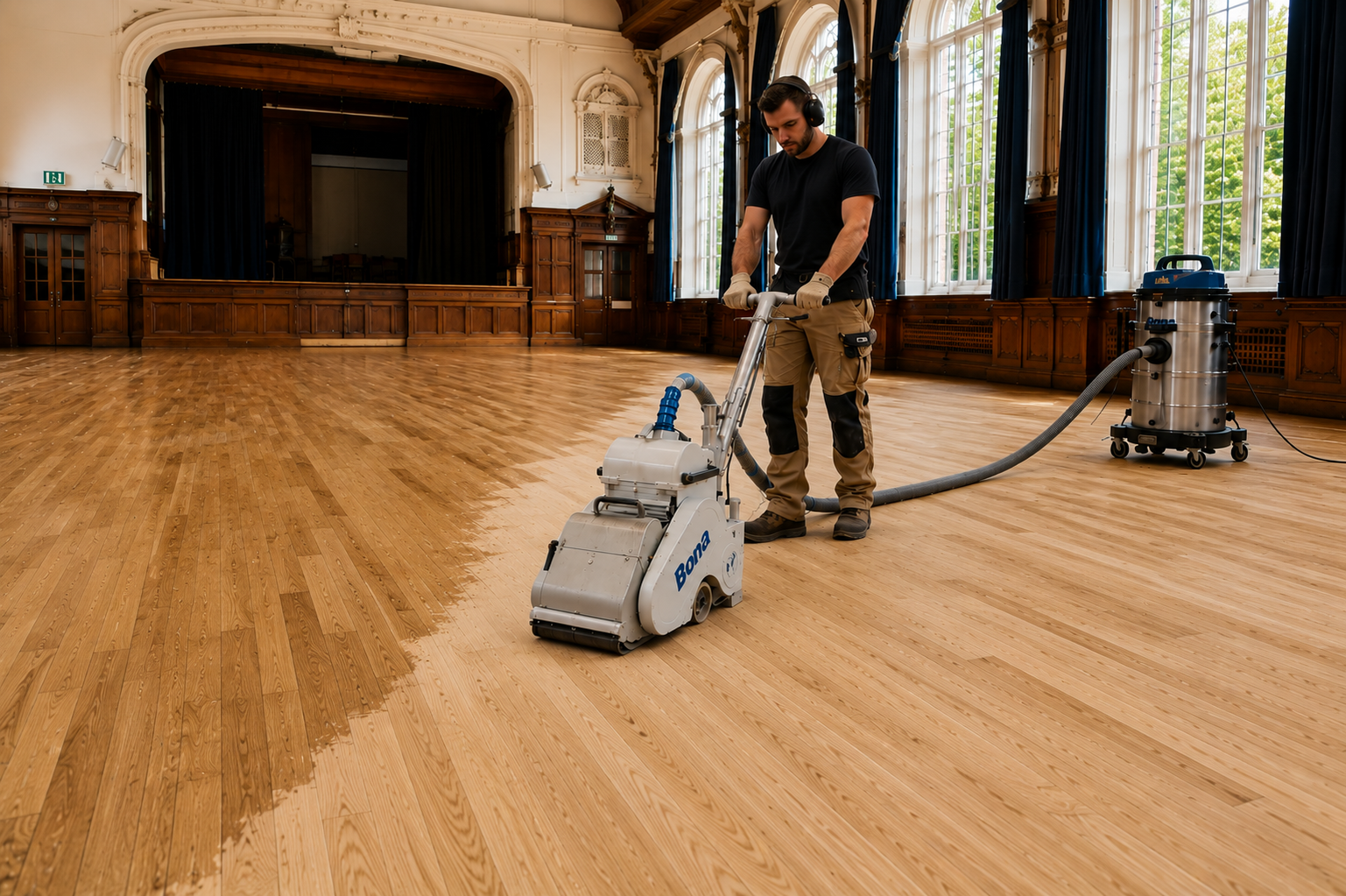
Modern dust-controlled sanding equipment removes worn finishes, scratches and minor imperfections while producing an exceptionally smooth surface ready for finishing.
Our sanding process normally includes:
- Multiple sanding stages.
- Progressive grit refinement.
- Edge sanding.
- Corner detailing.
- Fine finishing passes.
- Industrial dust extraction.
- Thorough vacuum cleaning before coating.
Dust-controlled machinery significantly reduces airborne dust, helping maintain cleaner working conditions within occupied educational premises.
4. Professional Finishing Options
The correct finish depends upon how the building is used.
Popular commercial options include:
- Commercial polyurethane lacquer.
- Ultra-matt lacquer.
- Satin lacquer.
- Natural hardwax oil.
- Penetrating oil finishes.
- High-performance 2K commercial lacquer systems.
We regularly specify professional systems from Bona, Loba, Osmo and Junckers, selecting products according to the expected foot traffic, drying times and maintenance requirements.
5. Aftercare and Ongoing Maintenance
Once restoration has been completed, ongoing maintenance becomes the key to maximising the lifespan of the new finish.
We typically recommend:
- Daily dry dust removal.
- PH-neutral timber floor cleaners.
- Entrance matting.
- Furniture protection pads.
- Routine inspections.
- Periodic maintenance recoating before heavy wear develops.
This approach can delay the need for complete sanding by several years.
Working Around the School Calendar
Educational buildings require careful planning. We regularly schedule work during:
- Summer holidays.
- Half-term breaks.
- Easter holidays.
- Christmas closures.
- Weekends where appropriate.
- Out-of-hours working.
This flexible scheduling allows restoration projects to be completed with minimal disruption to pupils, staff and community users.
Commercial Experience You Can Rely On
Our experience extends across:
- Primary schools.
- Secondary schools.
- Independent schools.
- Academies.
- Sports halls.
- Assembly halls.
- Church schools.
- Village halls.
- Community centres.
- Heritage educational buildings.
Every recommendation is based upon the age, condition, construction and intended use of the floor rather than applying a standard solution to every project.
Choosing the Right School Floor Sanding Contractor
Selecting an experienced school floor sanding contractor is about far more than price alone. Schools should look for contractors with commercial experience, appropriate insurance, dust-controlled equipment, proven restoration knowledge and the ability to work safely within educational environments.
A reputable contractor will also provide honest advice about whether the floor actually requires complete sanding or if maintenance recoating would offer better long-term value.
Frequently Asked Questions
How do I know when a school floor needs sanding rather than just cleaning?
If the floor has deep scratches, worn patches where the finish has disappeared, visible timber, splinters, or stains that cannot be removed with routine cleaning, it is likely time for professional sanding. A flooring specialist can inspect the surface and recommend whether sanding or a maintenance recoat is the most suitable option.
How often should a school sports hall floor be sanded?
Most school sports hall floors benefit from full sanding every 6 to 10 years, depending on foot traffic, maintenance routines, and the condition of the existing finish. Regular recoating can often extend the period between full restorations.
Can school floors be sanded during term time?
Yes, but the work is usually scheduled during evenings, weekends, or in sections to minimise disruption. Many schools choose to carry out major sanding projects during summer, Easter, or half-term holidays.
Does floor sanding create a lot of dust?
Modern floor sanding uses advanced dust-controlled machinery with powerful extraction systems that capture the vast majority of sanding dust. This keeps the working environment much cleaner than traditional sanding methods.
Is it necessary to repair damaged boards before sanding?
Yes. Loose, broken, or rotten boards should always be repaired or replaced before sanding begins. This creates a stable, even surface and helps achieve a high-quality, long-lasting finish.
What type of finish is best for school timber floors?
Commercial-grade water-based lacquers, hardwax oils, and two-component (2K) finishes are all excellent choices. The best option depends on how the floor is used, expected foot traffic, maintenance requirements, and drying times.
How long does a school floor restoration project usually take?
The duration depends on the size and condition of the floor. A typical school hall may take between three and seven days to complete, including repairs, sanding, finishing, and curing time.
Can old parquet flooring in schools be restored?
In many cases, yes. Original parquet floors can often be repaired, re-bonded where blocks have become loose, sanded, and refinished to restore both their appearance and durability while preserving their heritage character.
How can schools make newly sanded floors last longer?
Regular cleaning with approved timber floor products, entrance matting, furniture protectors, prompt spill removal, and periodic maintenance inspections all help extend the life of the protective finish and delay the need for future sanding.
What information is needed to receive a floor sanding quotation?
Most contractors can provide an initial estimate from photographs, videos, approximate measurements, and details about the floor’s condition. For larger or more complex projects, a site visit may be recommended to prepare an accurate quotation.

Recent Articles
- Overnight Wood Floor Sanding for Pubs
- Shop Floor Sanding in Hampstead NW3
- Care Home Floor Sanding in Hampstead NW3
What you should do next
If your school floor is showing signs of wear, don’t wait until costly repairs become necessary. Whether your building is located in Hampstead or the surrounding North London area, we can provide clear, practical advice based on the actual condition of your timber flooring.
Call 0800 335 7565 today for a fast quotation. You can also send photographs, videos and approximate measurements by WhatsApp or email for an initial assessment, with site visits arranged where required.