Auditorium Floor Sanding in Hampstead NW3 | Commercial Wood Restoration
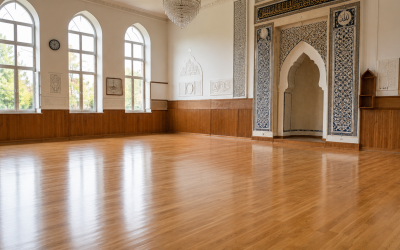
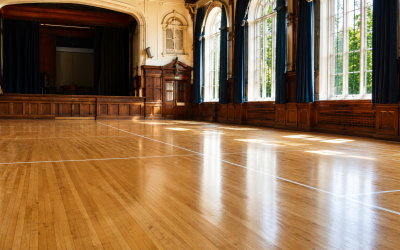
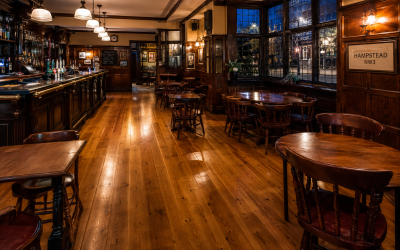
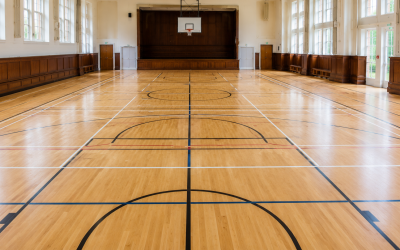
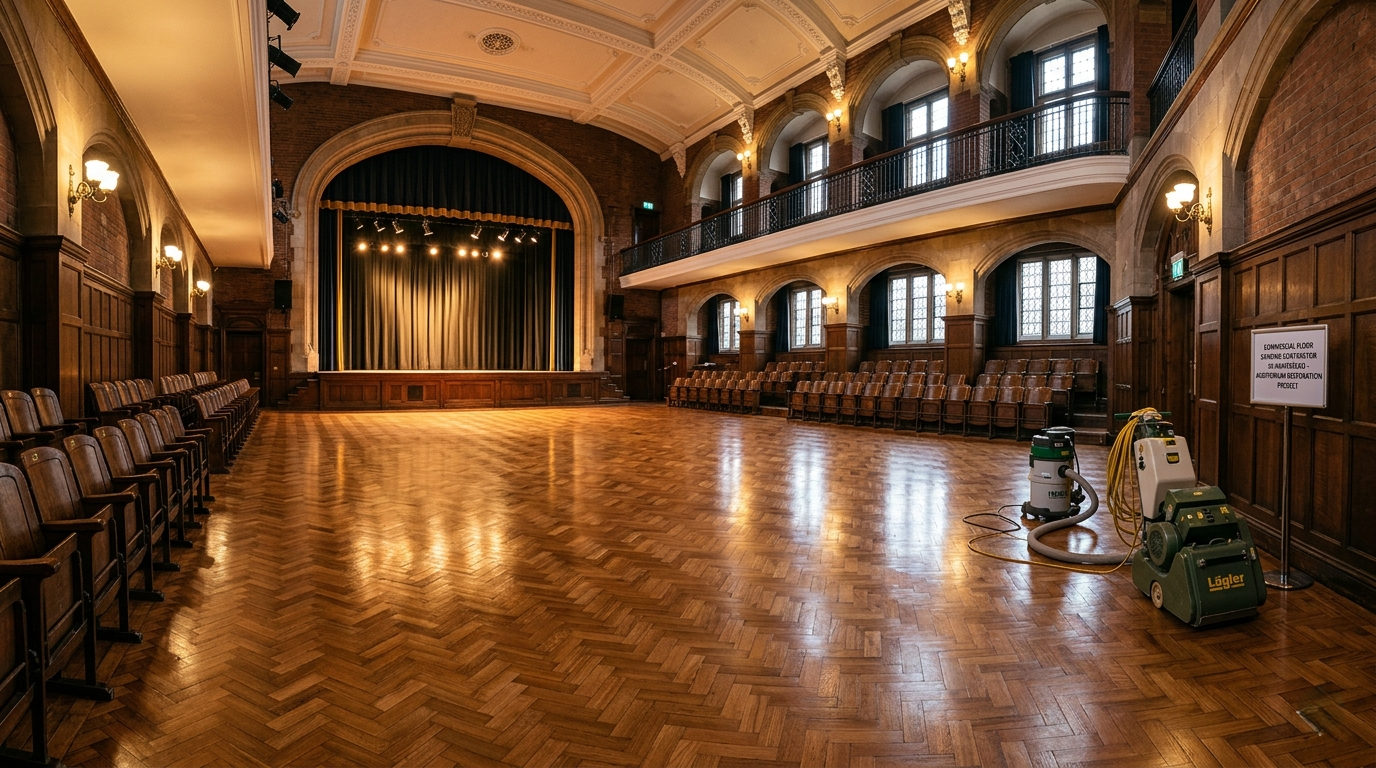
Auditoriums, assembly halls, and community stages across Hampstead and the wider NW3 area represent some of the finest architectural heritage in North London. From historic church halls near Flask Walk to the heavy-use performance spaces within Hampstead’s prestigious independent schools and community hubs, these timber floors endure immense structural pressure. Heavy footfall, rolling stage equipment, and decades of shifting temperatures can leave once-magnificent boards looking worn, scratched, and structurally compromised.
For property managers, school administrators, and heritage committees, a worn floor isn’t just an aesthetic issue—it’s a health and safety risk and a threat to the building’s historic character. Restoring these expansive, high-traffic timber surfaces requires far more than standard domestic equipment. It demands a specialized approach tailored to large-scale commercial and heritage spaces.
The Commercial Restoration Process: From Inspection to Finish
Large-scale timber restoration requires a systematic, phased approach to ensure structural integrity and a flawless, long-lasting finish.
1. Initial Assessment and Structural Planning
Before a single machine touches the wood, a thorough floor inspection is vital. In older NW3 properties, this involves checking for structural stability, subfloor ventilation issues, and identifying the specific timber species—commonly pitch pine, English oak, or historical maple blocks. We assess the thickness of the remaining wearable layer to ensure the timber can safely withstand the sanding process, particularly if it has been aggressively treated in decades past.
For spaces that host regular events, we also evaluate local acoustics and mechanical layout considerations, planning our workflow around school terms, public access restrictions, or strict business hours to minimize community disruption.
2. Repairs, Board Replacement, and Gap Filling
Commercial floors take a beating, often resulting in split boards, loose parquet blocks, or exposed historical ironmongery.
Sourcing Reclaimed Timber: We source tight-grain, ethically reclaimed timber that matches the age, species, and width of your existing floor to ensure seamless patch repairs.
Securing the Subfloor: Loose structural floorboards are securely fixed to the joists using flush-counter-sunk professional fixings.
Resin Gap Filling: For traditional square-edged boards, gaps are filled using a high-density mix of genuine wood flour gathered during the fine-sanding stage and specialized resin binders from trusted names like Bona. This prevents dirt accumulation and draft ingress while allowing natural thermal movement.
3. Dust-Controlled Sanding and Surface Preparation
Sanding an expansive auditorium or school hall can potentially generate an incredible volume of airborne dust, which is a major hazard for historical organs, stage curtains, and sensitive fire alarm systems.
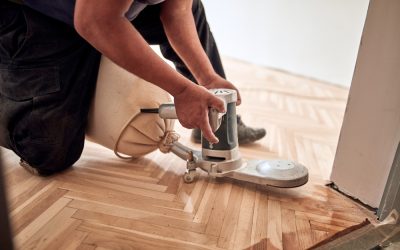
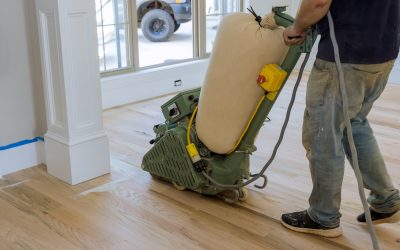
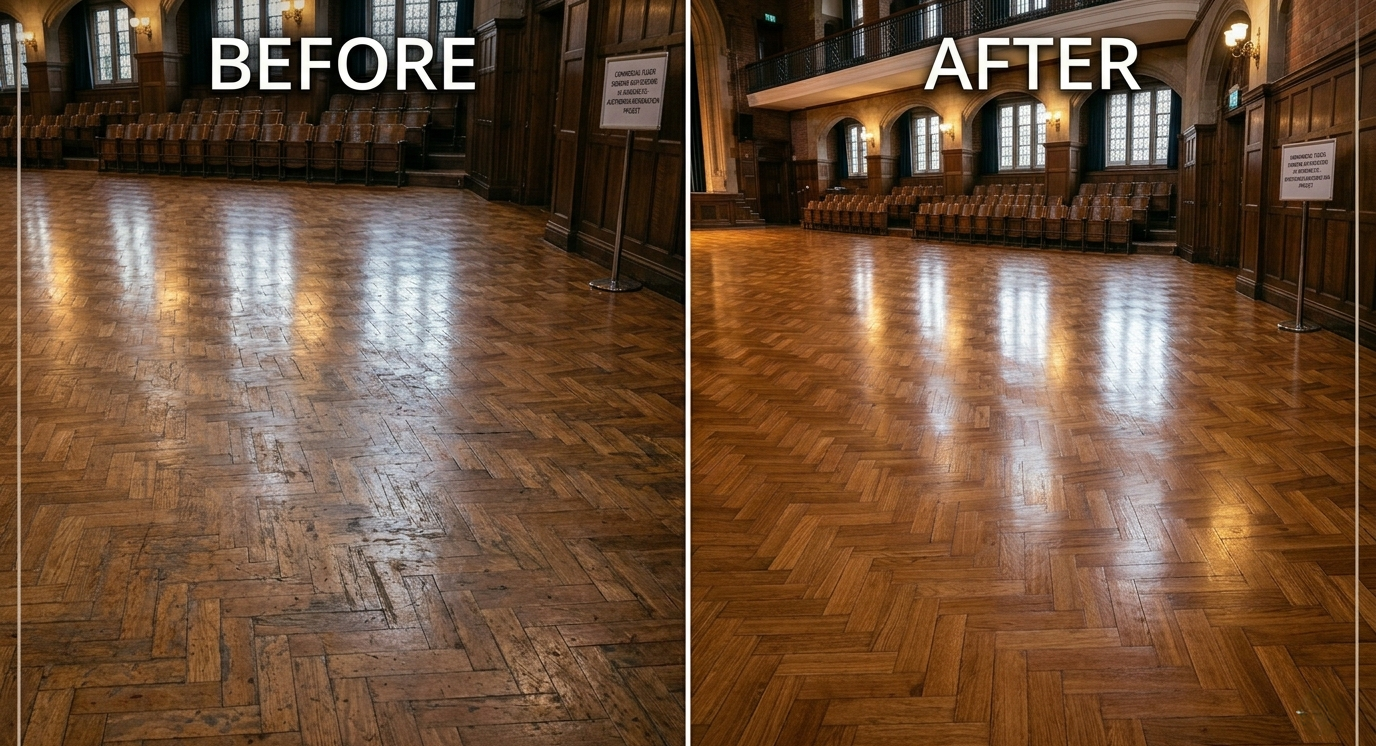
To combat this, we utilize advanced, continuous belt-sanding machinery connected to high-efficiency particulate air (HEPA) dust extraction units. This multi-stage process transitions systematically from coarse-grit abrasive papers to ultra-fine finishing grits, entirely stripping away old, yellowed polyurethane varnishes while flattening out decades of uneven wear without releasing fine dust into the auditorium atmosphere.
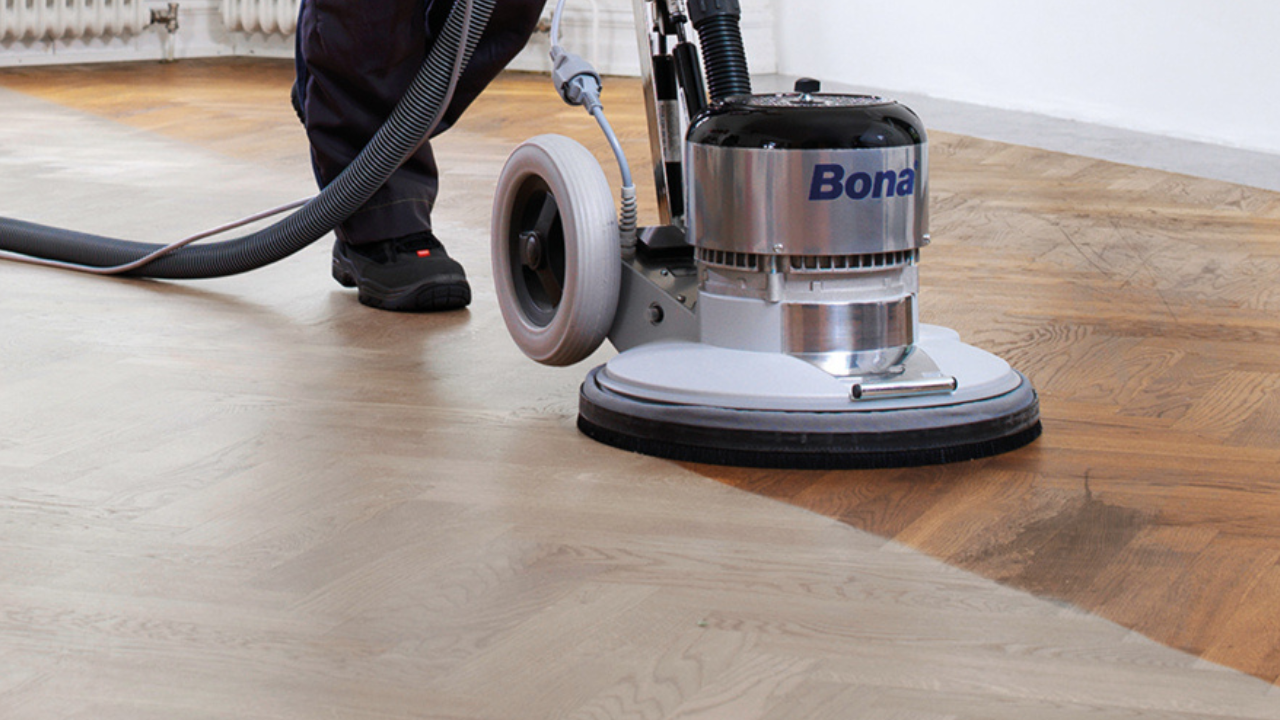
4. Commercial-Grade Finishing Options
An auditorium floor requires specialized, high-durability protection capable of resisting heavy friction, liquid spills, and scuff marks. We avoid standard domestic finishes in favor of heavy-duty, commercial-grade systems:
Two-Component (2K) Polyurethane Lacquers: Highly recommended for high-traffic environments. Products such as Bona Traffic HD or Loba WS 2K Duo offer unparalleled slip resistance and scratch protection while keeping curing times remarkably short.
Hardwax Oils: For heritage environments where a natural, matte appearance is preferred, premium hardwax oils from Osmo penetrate deep into the wood grain. This finish allows the timber to breathe and makes localized spot-repairs far easier to manage without resanding the entire hall.
5. Aftercare and Ongoing Maintenance Planning
The key to longevity lies in proactive preservation. Following the final coat’s cure, we provide a tailored Commercial wood floor maintenance in Hampstead plan. This includes specialized cleaning protocols, advice on protective gliding pads for staging equipment, and scheduled recoating intervals to prevent the protective seal from wearing down to bare timber again.
Why Asset Managers Trust a Specialist Commercial Floor Sanding Contractor in Hampstead
Restoring a large commercial floor is an investment in your property’s infrastructure. Partnering with an experienced, specialized Commercial floor sanding contractor in Hampstead ensures the job is done right the first time.
| Feature | Commercial Specialist Standards | Standard Domestic Approach |
| Machinery Used | Industrial belt sanders with integrated HEPA dust extraction | Light duty, high-dust hire equipment |
| Finishing Products | 2K commercial lacquers (Loba, Bona) or industrial oils | Standard, low-wear single-component retail varnishes |
| Scheduling Flexibility | Overnight shifts, weekend work, and school holiday coordination | Standard 9-to-5 operating windows only |
| Safety Compliance | Full risk assessments, COSHH data sheets, and public liability cover | Basic, non-specialist trade insurance |
Whether you require a complete structural restoration or a scheduled buff-and-coat intervention to revive a dull surface, investing in professional Commercial floor sanding in Hampstead extends the operational lifespan of your floor by decades, saving significant capital replacement costs down the line.
A Note on Heritage Spaces: Many auditoriums and halls within the Hampstead NW3 conservation areas feature original structural timbers that cannot be replaced easily. Preserving the historic patina while restoring structural safety requires a delicate balance that only decades of hand-on craftsmanship can guarantee.
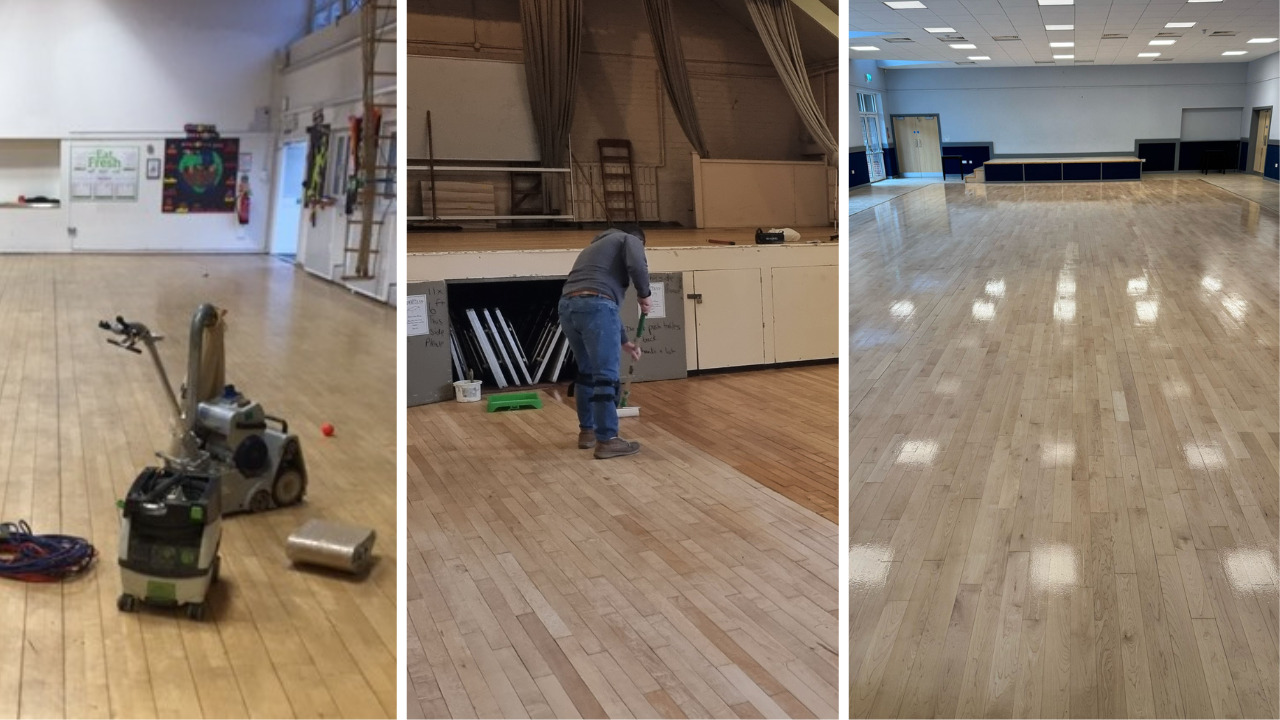
Auditorium Floor Sanding in Hampstead NW3 – Frequently Asked Questions
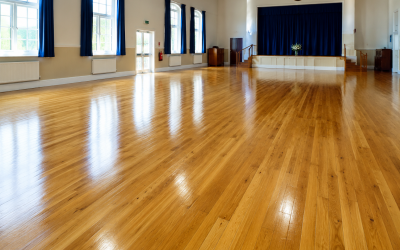
Hampstead NW3 is home to many historic and cultural venues with auditoriums used for lectures, performances, community events, assemblies and meetings. These large wooden floors experience significant footfall and require careful restoration to maintain safety, acoustics and appearance while minimising disruption to scheduled events.
Below are the questions we are most frequently asked about auditorium floor sanding in Hampstead NW3.
What is auditorium floor sanding?
Auditorium floor sanding is the professional process of sanding back worn wooden floors in large performance or assembly spaces to remove old coatings, scratches and damage, then applying a new protective finish suitable for high-use public venues.
Why is professional floor sanding important for auditoriums?
Worn or uneven floors can create trip hazards and affect both safety and acoustics. Sanding restores a smooth, safe and attractive surface that improves the overall experience for audiences and performers.
Can you work around auditorium events and schedules?
Yes. We regularly carry out floor sanding in the evenings, overnight, at weekends or during quieter periods to minimise disruption to lectures, performances and community events. We always plan the work around your calendar.
How long does auditorium floor sanding usually take?
Most standard auditoriums can be sanded and refinished in 3–7 days, depending on size and condition. We often work overnight or in phases to reduce the impact on your venue’s programme.
Is the sanding process dusty?
We use professional dust-controlled sanding equipment with high-efficiency extraction. This keeps dust levels very low, which is important in enclosed spaces used for performances and public gatherings.
What finishes do you recommend for auditorium floors?
We use durable commercial finishes including water-based lacquers from Bona and hardwax oils from Osmo and Junckers. These provide excellent wear resistance while maintaining good acoustics and appearance.
Do you offer slip-resistant finishes for auditoriums?
Yes. We can apply finishes with appropriate slip resistance, particularly on walkways, aisles and areas with higher foot traffic.
Can you repair damaged floorboards before sanding?
Yes. We carry out targeted repairs, replace damaged sections and fill gaps to create a stable and visually consistent floor before sanding and finishing.
Do you work in historic or listed auditoriums in Hampstead?
Yes. We have experience working sensitively in period and listed buildings, preserving original character while delivering modern performance and durability.
How often should auditorium floors be sanded?
This depends on usage levels. Busy venues often benefit from sanding and refinishing every 5–8 years, with regular maintenance in between to keep floors performing well.
Do you use low-odour and quick-drying finishes?
Yes. We use modern low-VOC systems that allow auditoriums to reopen within 24–48 hours after the final coat.
Can you work while other areas of the venue remain in use?
In many cases we can phase the work or carry it out overnight. We always aim to minimise disruption to ongoing activities and events.
What maintenance do you recommend after sanding?
We provide clear aftercare guidance, including recommended cleaning products and routines suitable for public assembly spaces. Good maintenance helps protect the floor and extends its lifespan.
Do you offer maintenance contracts for auditoriums?
Yes. Many venues and organisations choose regular maintenance programmes to keep floors in excellent condition between major sanding projects.
How much does auditorium floor sanding cost in Hampstead NW3?
Costs vary according to floor size, current condition, extent of repairs and the finish chosen. We always provide transparent, fixed-price quotes after assessing your auditorium.
What makes auditorium floor sanding different from standard work?
Auditoriums require finishes that balance durability, safety, acoustics and appearance for large public spaces. We focus on performance, minimal disruption and respect for the venue’s character.
How do I arrange floor sanding for my auditorium in Hampstead NW3?
Simply call us on 0800 335 7565 or send clear photos and videos of your floors. We can usually provide an initial assessment and quote quickly, with no obligation.
Why choose a specialist for auditorium floor sanding in Hampstead?
Auditoriums need floors that are safe for large audiences, durable under heavy use and finished to a high standard. Using an experienced team ensures the right preparation, suitable finishes and minimal disruption to your events.
What you should do next
Ready to restore the character, safety, and brilliance of your hall’s timber floor? We provide transparent, detailed commercial quotes based on precise on-site assessments, measurements, and timber core checks.
Call our specialist team directly on 0800 335 7565 to discuss your project timelines. Alternatively, you can email your room dimensions, requirements, or quick smartphone videos over to us for an initial expert evaluation.