Community Hall Floor Sanding in Hampstead NW3 | Commercial Floor Restoration
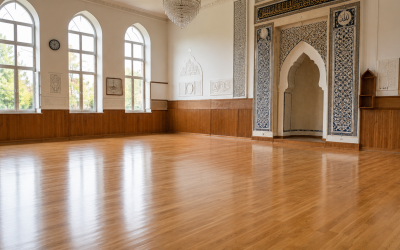
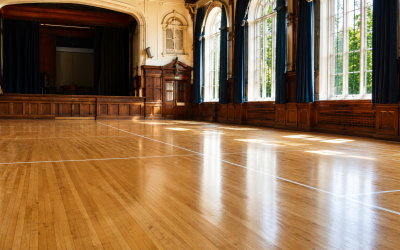
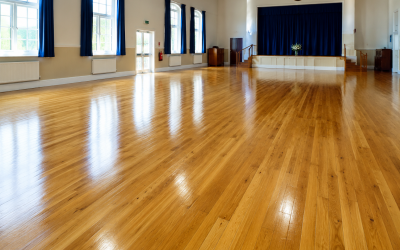
Community halls across Hampstead NW3 play an important role in local life, hosting everything from church gatherings and charity events to fitness classes, children’s activities and public meetings. Whether your hall is close to Hampstead High Street, Flask Walk, South End Green, Hampstead Heath, or within one of the area’s beautiful conservation settings, heavy daily use inevitably takes its toll on timber flooring.
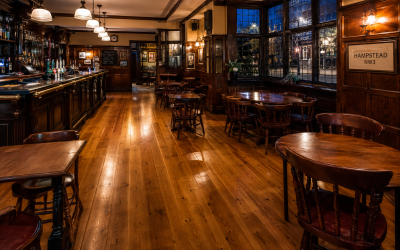
If your wooden floor has become scratched, uneven, slippery, stained or simply looks tired, our specialist community hall floor restoration service provides a practical long-term solution. We also undertake Commercial floor sanding in Hampstead, Commercial wood floor maintenance in Hampstead, and work as an experienced Commercial floor sanding contractor in Hampstead for schools, churches, community centres, village halls, charities and public buildings throughout NW3. Call 0800 335 7565 today for friendly advice or a fast quotation. In many cases we can provide an initial estimate from photographs, measurements or a short video before arranging a site visit where required.
Professional Community Hall Floor Restoration for Busy Public Buildings
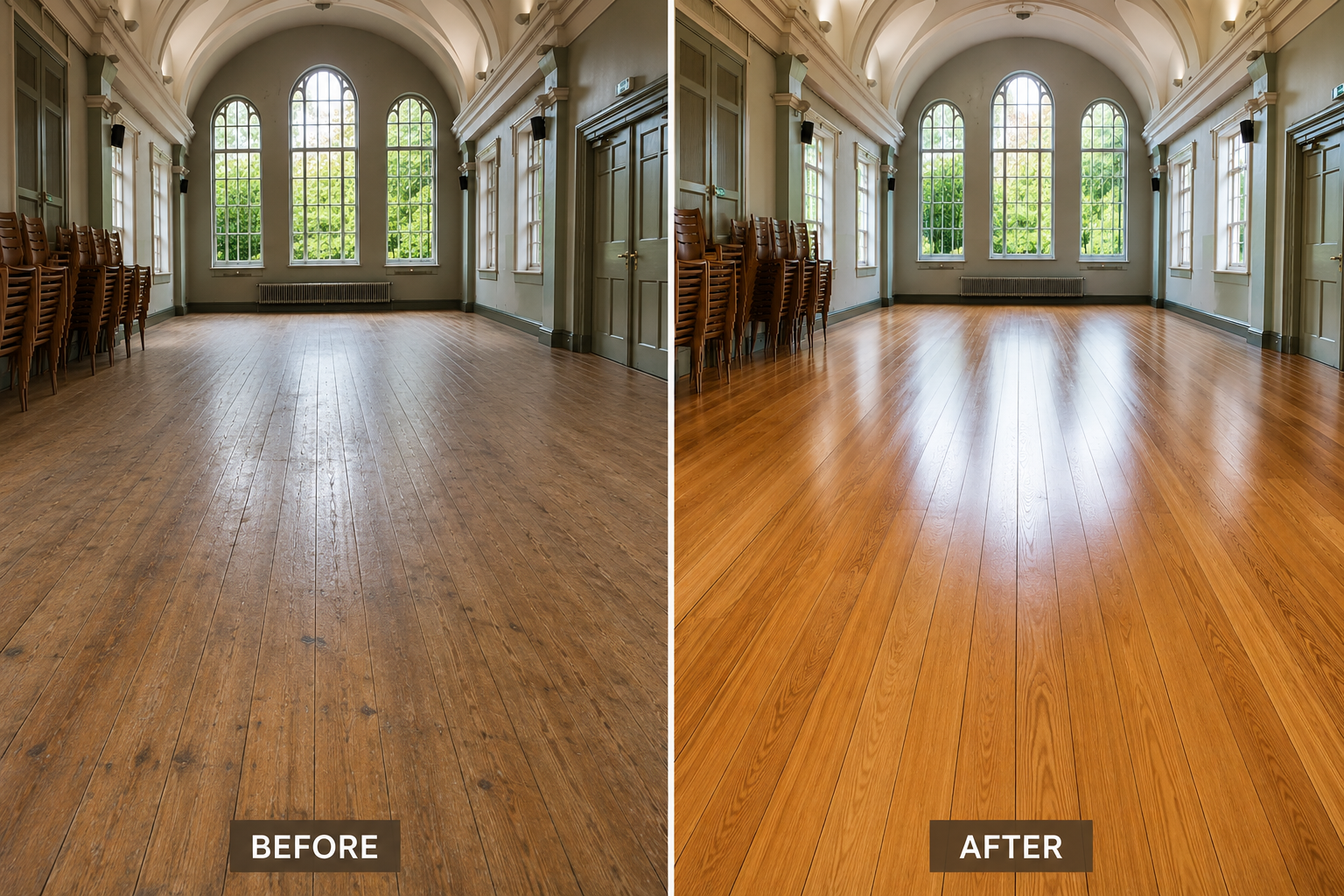
Community halls experience constant foot traffic. Chairs are dragged across the floor, tables are moved for events, muddy footwear is brought inside during winter, while years of polishing and recoating can leave the timber looking dull and uneven.
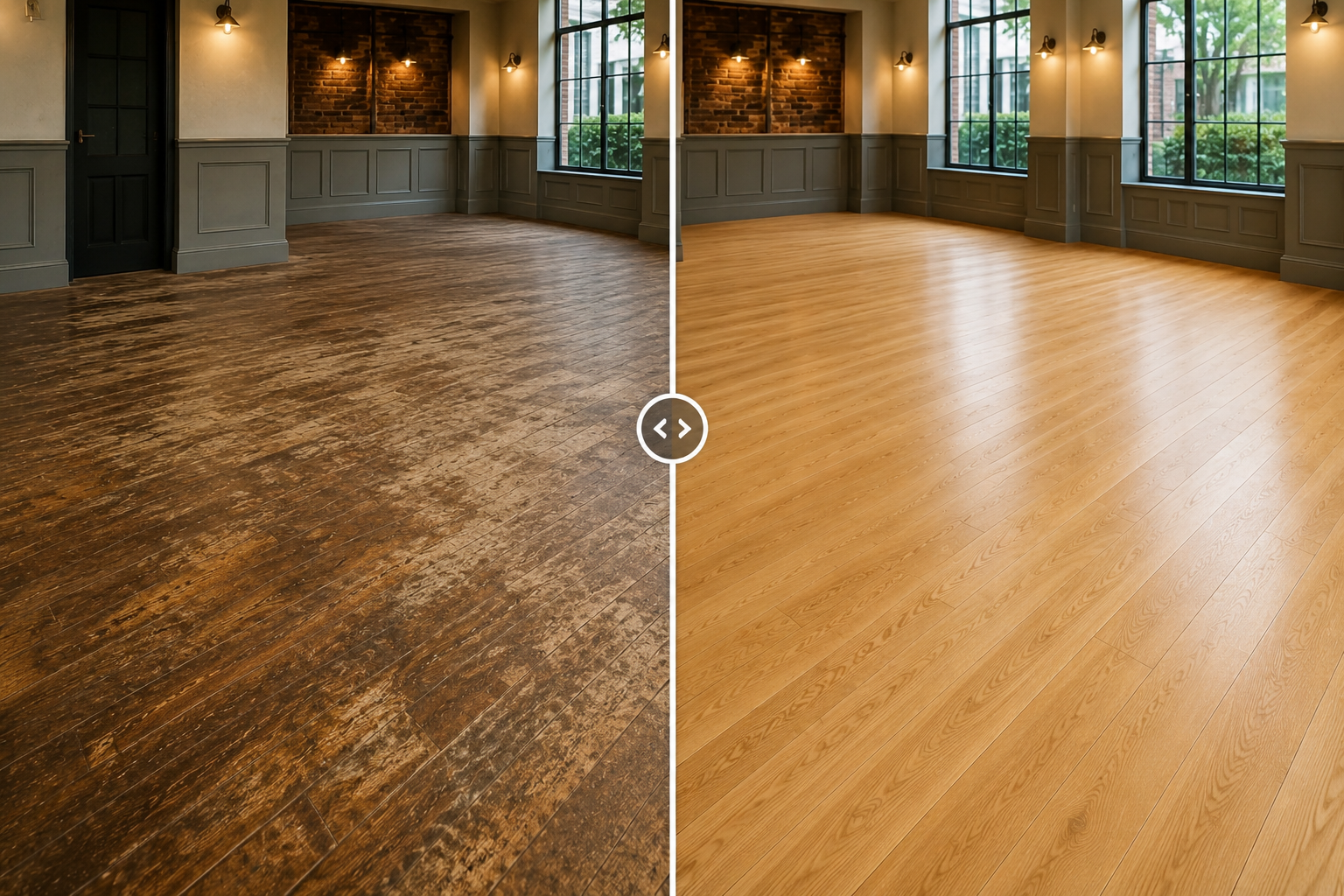
Rather than replacing an otherwise sound timber floor, professional restoration removes worn coatings, repairs damaged sections and restores the natural beauty of the wood while significantly extending its lifespan.
Every project begins with understanding how the hall is used. A church hall hosting weekly coffee mornings requires different protection from a community centre used for sports classes, dance groups or local performances. We recommend finishes based on practical use rather than a one-size-fits-all approach.
Our Community Hall Floor Sanding Process
1. Initial Assessment and Planning
Before any machinery arrives on site, we carefully assess:
- Overall timber condition
- Previous finishes and coatings
- Areas affected by excessive wear
- Moisture or water damage
- Loose parquet blocks or floorboards
- Trip hazards and uneven sections
- Historic flooring features worth preserving
Older halls in Hampstead often contain original hardwood or pine flooring that deserves careful restoration rather than replacement. Where appropriate, we plan work around booked events, school holidays, church services and community activities to minimise disruption.
2. Repairs, Board Replacement and Gap Filling
No quality floor restoration begins with sanding alone.
Damaged boards, loose parquet blocks and unstable sections should always be repaired before refinishing. Depending on the condition of the floor we may:
- Replace damaged timber with matching species
- Secure loose floorboards
- Re-bond loose parquet blocks
- Carry out structural timber repairs where practical
- Fill minor gaps using resin and fine sanding dust
- Improve stability before sanding begins
This preparation helps create a smoother, longer-lasting finish while reducing movement within the floor.
3. Dust-Controlled Sanding and Surface Preparation
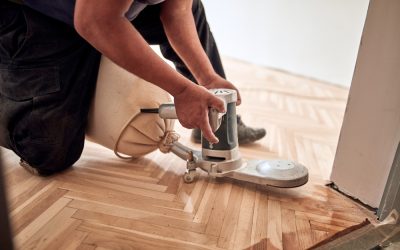
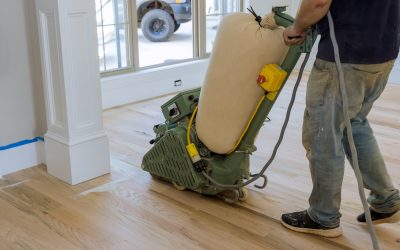
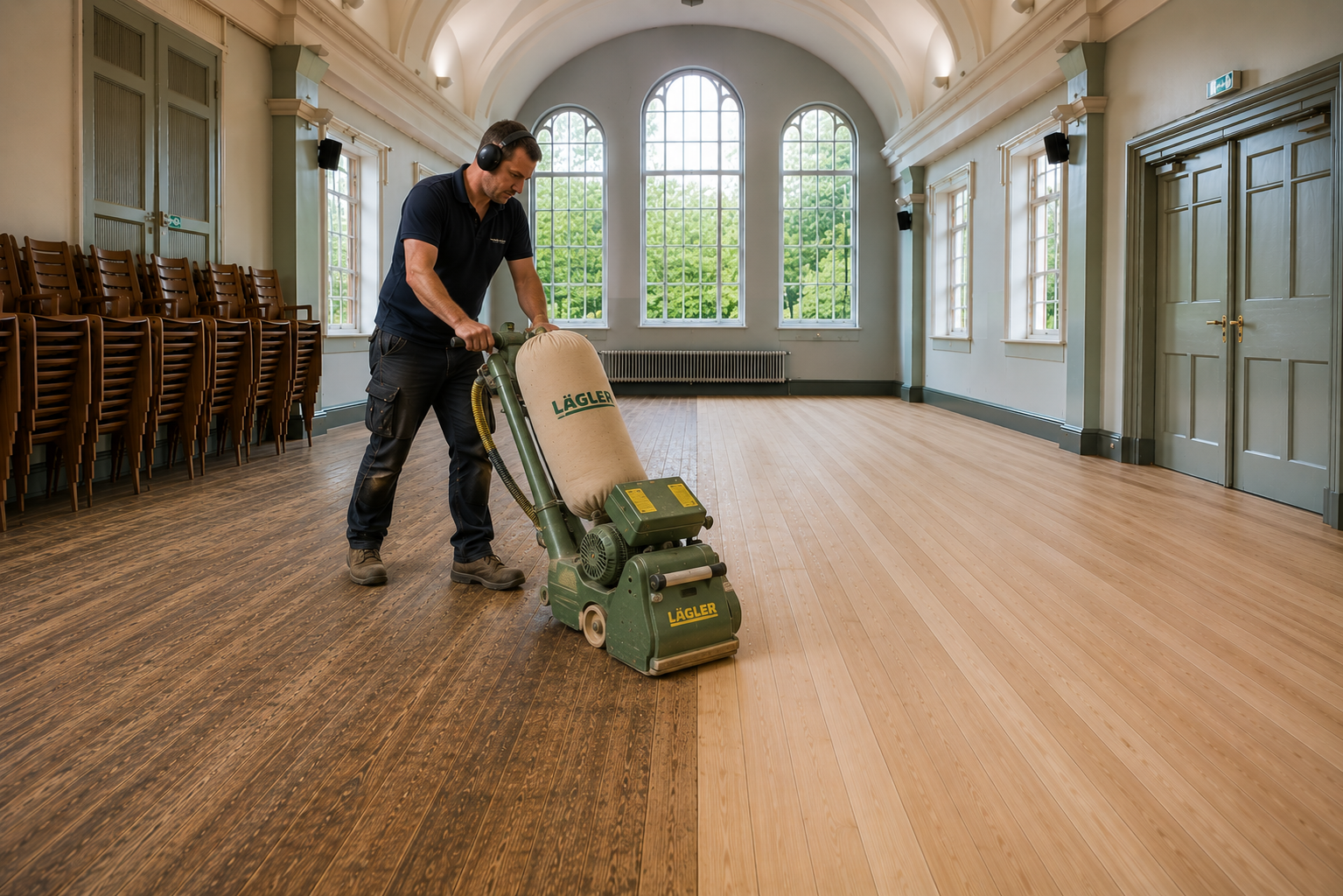
Using modern dust-controlled sanding machinery, we gradually remove old lacquer, paint residue, surface scratches and years of accumulated wear.
Multiple sanding stages produce an even surface while protecting the timber beneath. Particular attention is given to:
- High traffic entrances
- Stage areas
- Kitchen access points
- Chair storage areas
- Door thresholds
- Edges and corners
Dust extraction systems help maintain a cleaner working environment, making restoration suitable even within sensitive public buildings.
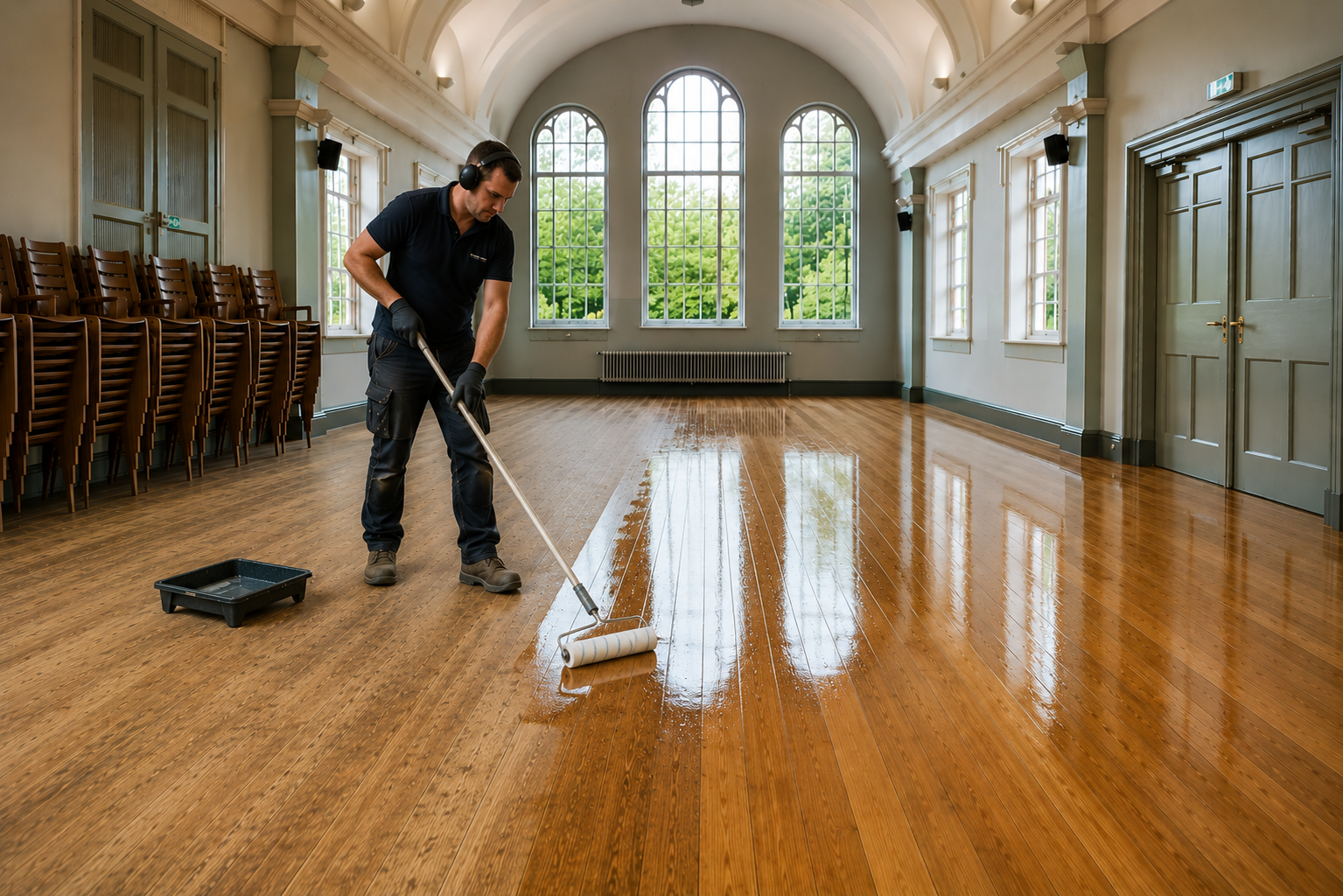
4. Professional Finishing Options
Choosing the correct finish is just as important as the sanding itself.
We recommend products according to the hall’s daily use, maintenance requirements and desired appearance.
Commercial Lacquer
Ideal for busy community halls requiring excellent durability, low maintenance and excellent resistance to everyday wear.
Hardwax Oil
Provides a natural appearance while allowing local maintenance and repairs without refinishing the entire floor.
Natural Oils
Suitable where a traditional timber appearance is preferred while enhancing the wood’s natural character.
2K Commercial Finishes
For halls with exceptionally heavy footfall, two-component finishes provide outstanding durability and abrasion resistance.
We regularly work with professional flooring systems from Bona, Loba, Osmo and Junckers, selecting products appropriate for each individual project.
5. Aftercare and Ongoing Maintenance
Proper maintenance dramatically extends the life of a newly restored floor.
We provide practical advice covering:
- Daily cleaning routines
- Suitable cleaning products
- Protective chair feet
- Entrance matting
- Moisture control
- Periodic maintenance coats
- Long-term inspection schedules
A planned maintenance programme is almost always more economical than allowing a floor to deteriorate until full restoration becomes necessary again.
Experience with Heritage and Commercial Timber Floors
Many community buildings throughout Hampstead combine historic architecture with modern public use. Original timber floors often require sympathetic restoration techniques that preserve character while delivering the durability expected from modern commercial spaces.
Our approach balances conservation with practicality. Rather than removing the identity of older timber, we restore its appearance while improving safety, longevity and ease of maintenance.
Flexible Scheduling for Community Halls
We understand that public buildings cannot simply close for extended periods.
Whenever possible, restoration work is scheduled around:
- School holidays
- Weekend closures
- Church calendars
- Community events
- Evening access
- Public bookings
Careful planning helps reduce disruption while ensuring every stage of the restoration receives sufficient curing time.
Frequently Asked Questions About Community Hall Floor Sanding in Hampstead NW3
How often should a community hall floor be professionally sanded?
Most community hall timber floors benefit from professional sanding every 10–20 years, depending on footfall, maintenance, and the type of finish previously applied. Halls used for daily activities, sports, or public events may require restoration sooner than those used occasionally.
Can you restore old wooden floors without replacing them?
In many cases, yes. Original hardwood, pine floorboards, and parquet flooring can often be restored through repairs, sanding, and refinishing. Damaged boards can usually be replaced individually, helping preserve the character of the hall while avoiding the expense of a complete new floor.
Is floor sanding very dusty?
Modern commercial floor sanding uses advanced dust-controlled sanding equipment that captures the vast majority of dust during the process. While no sanding project is entirely dust-free, professional extraction systems keep disruption to a minimum and help maintain a much cleaner working environment.
What finish is best for a busy community hall?
The best finish depends on how the hall is used. Commercial-grade lacquers offer excellent durability for high-traffic buildings, while hardwax oils provide a natural appearance and allow easier localised maintenance. During the assessment, we’ll recommend the most suitable option based on your floor and its daily use.
Can repairs be completed before the floor is sanded?
Absolutely. Loose parquet blocks, damaged floorboards, gaps, and uneven sections should always be repaired before sanding begins. Carrying out repairs first ensures a smoother finish and helps extend the life of the restored floor.
How long does a community hall floor sanding project take?
Most community hall floor sanding projects are completed within two to five days, depending on the size of the building, the condition of the timber, and the chosen finish. Larger halls or floors requiring extensive repairs may take slightly longer.
Can the work be scheduled outside normal opening hours?
Yes. We understand that community halls often have regular bookings and events. Wherever possible, work can be arranged during school holidays, weekends, evenings, or planned closure periods to minimise disruption to users.
What types of timber floors can you restore?
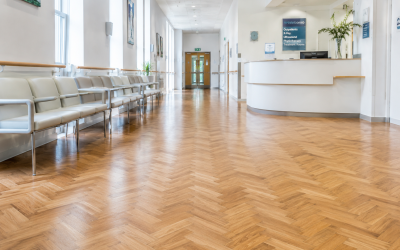
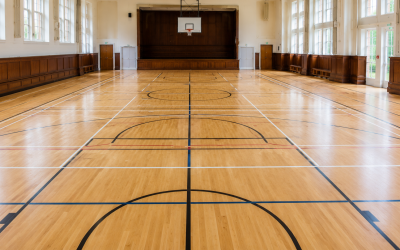
We restore a wide range of commercial timber flooring, including hardwood strip flooring, parquet, solid oak, maple, beech, pine floorboards, and many heritage timber floors commonly found in churches, schools, and community halls throughout Hampstead NW3.
How do I maintain the floor after restoration?
Regular sweeping, using appropriate timber floor cleaning products, fitting protective pads to furniture, and preventing excessive moisture will help keep the floor in excellent condition. Periodic maintenance coats can also extend the life of the finish before another full sanding is required.
How can I get a quotation for community hall floor sanding in Hampstead NW3?
Getting a quotation is straightforward. You can call 0800 335 7565, send photographs, floor measurements, or a short video by WhatsApp or email for an initial assessment. If needed, a site visit can then be arranged to provide a detailed and accurate quotation based on the condition of your floor.

Why Choose Our Team?
- Extensive commercial wood floor restoration experience
- Specialists in community halls and heritage buildings
- Modern dust-controlled sanding equipment
- Premium professional finishing systems
- Honest recommendations based on floor condition
- Flexible working hours where practical
- Clear quotations with no unnecessary work
- Reliable communication throughout the project
What you should do next
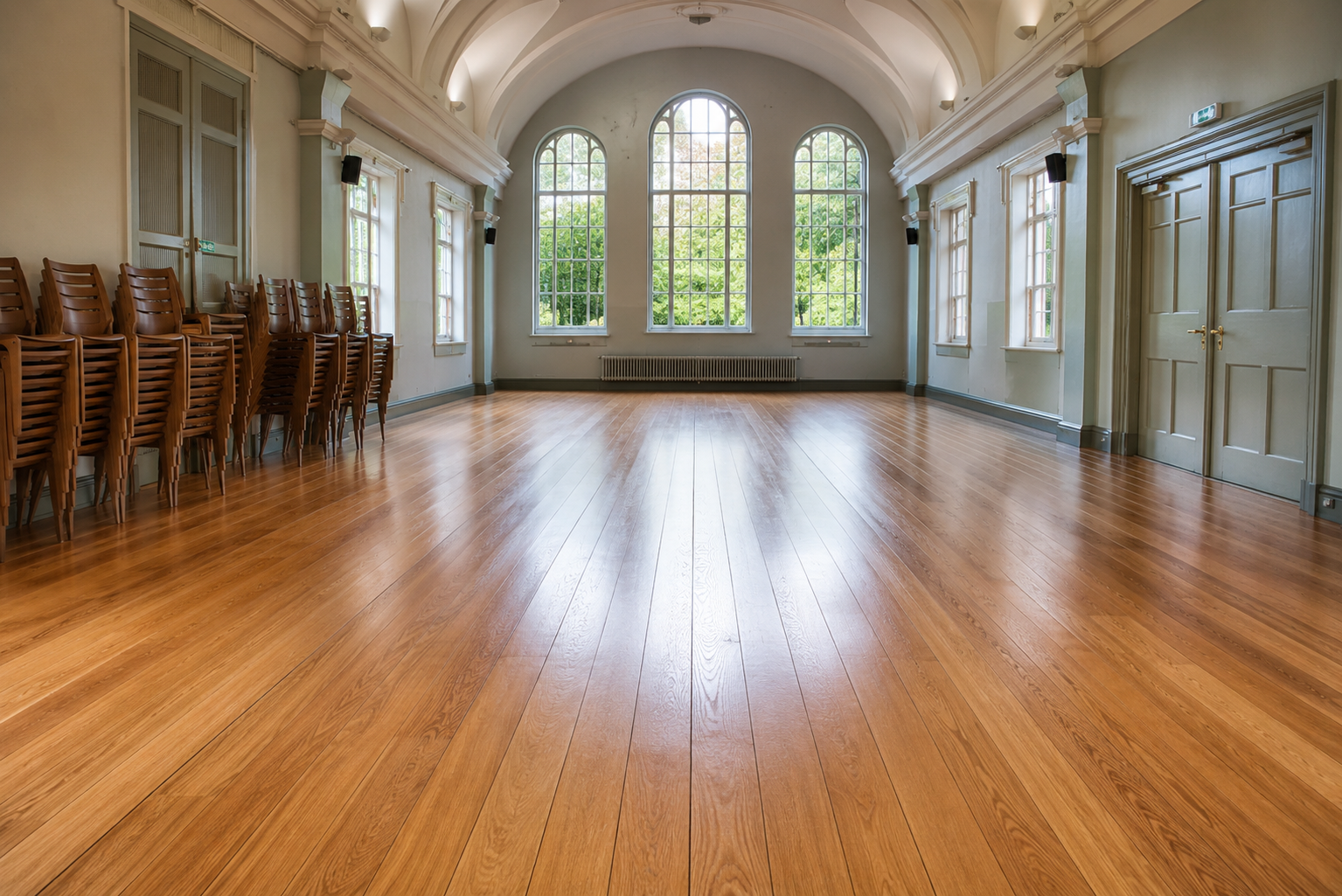
If your community hall floor has become worn, scratched or difficult to maintain, professional restoration can transform both its appearance and performance for many years to come. Call 0800 335 7565 today to discuss your project. You can also send photographs, measurements or a short WhatsApp video for an initial assessment before arranging a convenient site visit.